
Student Designer · Researcher · Automotive Enthusiast

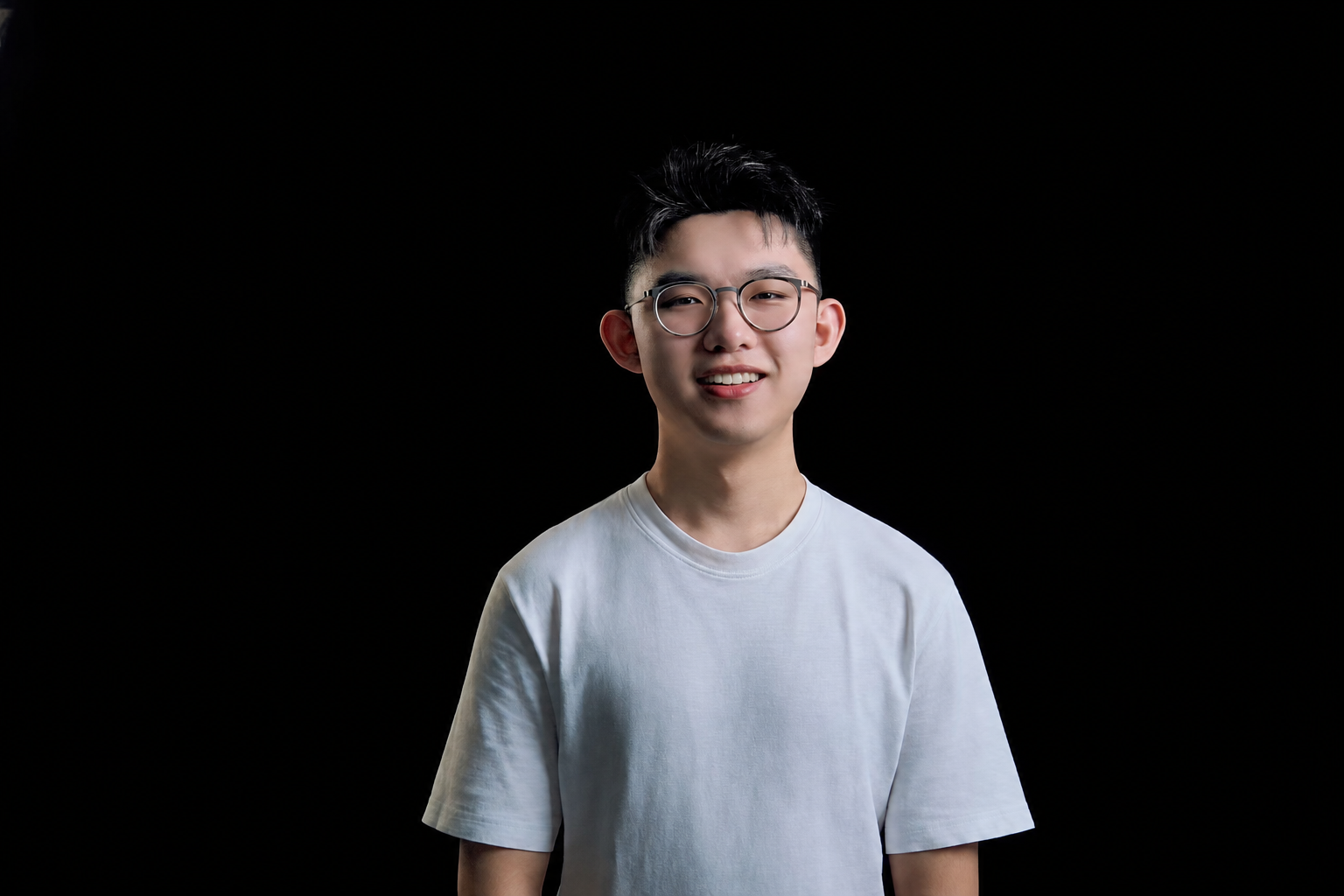
Hi, I'm Ian.
I like understanding why things work the way they do.

I'm into automotive aerodynamics, CFD and understanding how an engineering decision impacts the way things perform.

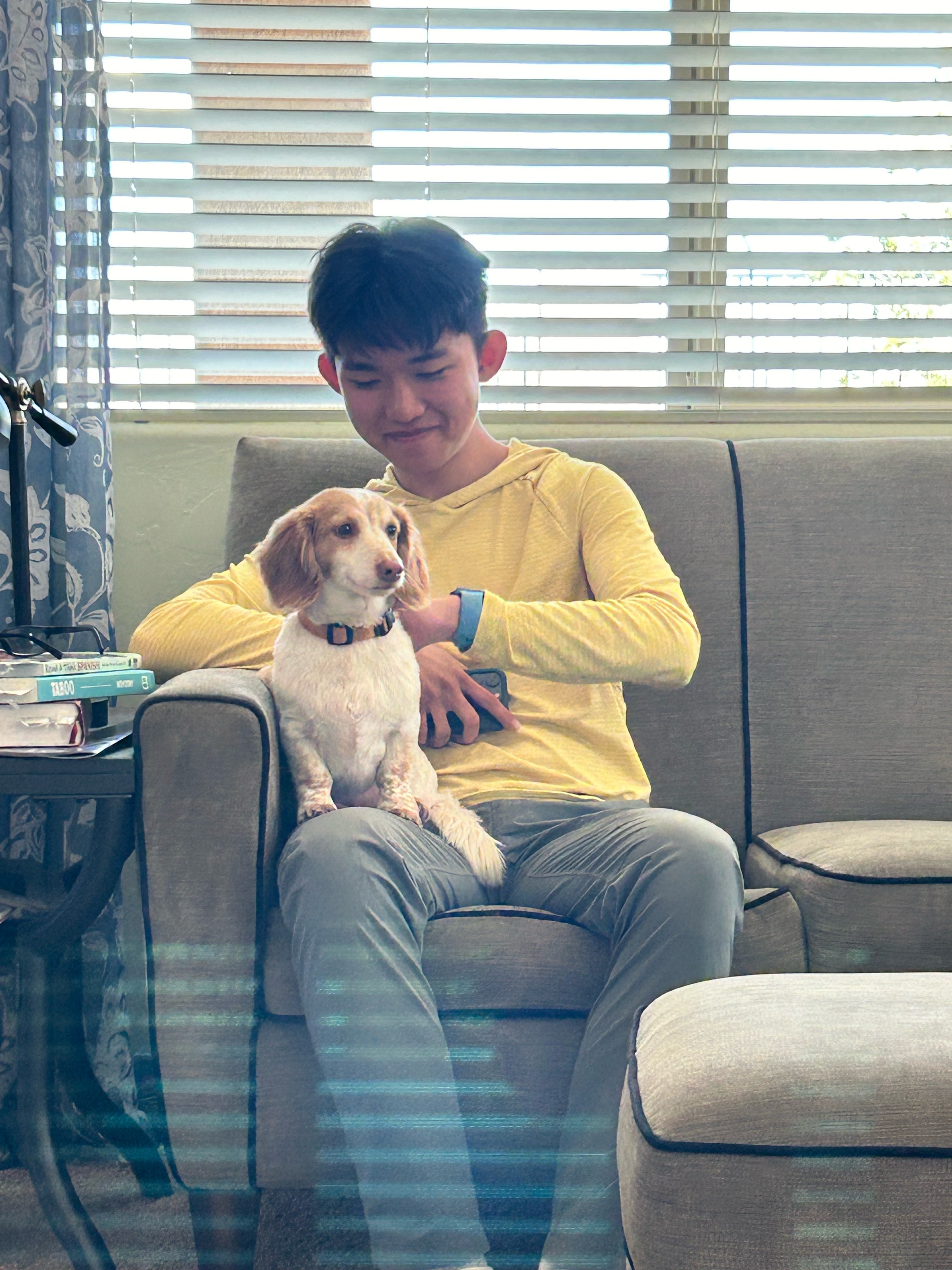
Ian seated with a dog

Cars → questions → engineering

A Little About Me

Cars were what initially got me interested in engineering. I've consistently been fascinated by the design and performance of cars, but over time my interest became more focused on the engineering aspects. Why does altering the shape of a car have an effect on its drag? How does the airflow behave around a wing? What happens when that wing starts to move?

I started looking at these questions via CAD and CFD which eventually led me into the field of active aerodynamics.

What I enjoy most is working out why something doesn't behave as I'd expect. A design change can sometimes improve the result and sometimes cause a different problem. I enjoy working through those problems and understanding exactly what has happened before I make the next change.

A Short Introduction

A little more about me, in my own words.

Press play to watch my introduction.

Personal introduction · Video

What I've Been Working On

These are two projects I've spent a fair bit of time on, both stemming from my interest in automotive engineering.

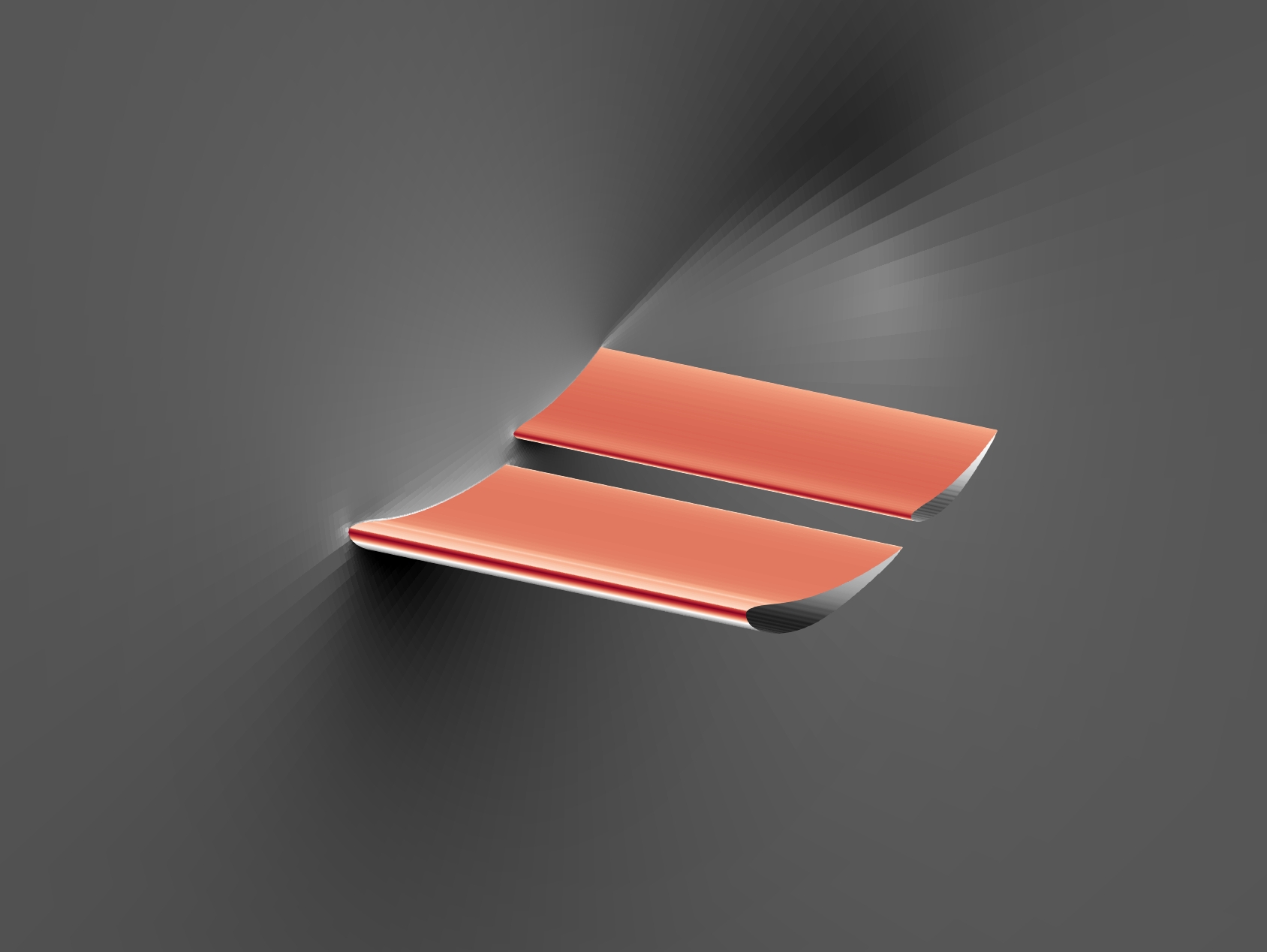
Macarena Wing CFD preview 01 · Research

Formula 1 · Transient Aerodynamics

The Macarena Wing

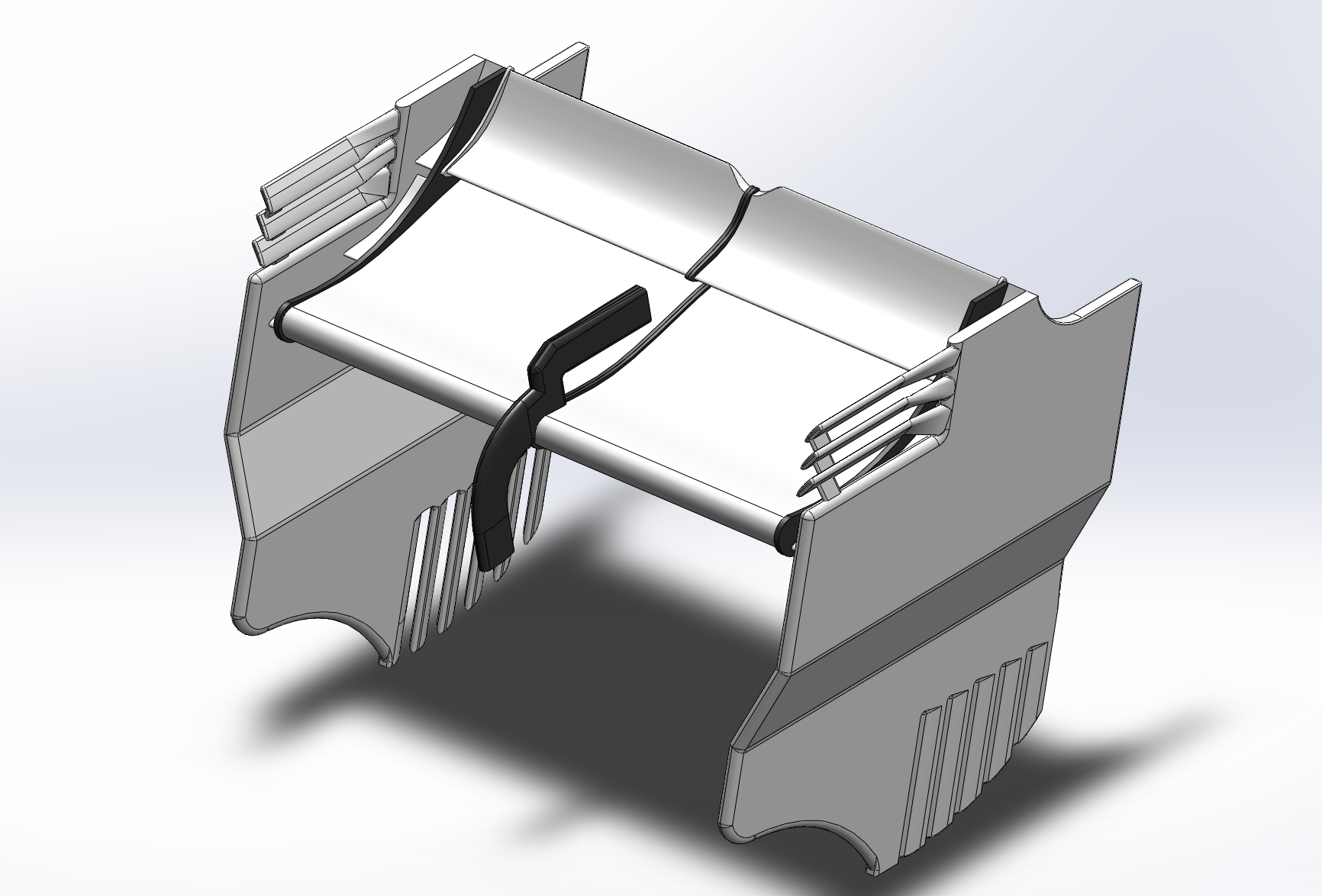
My recent research was into the aerodynamics of an active F1 rear wing.

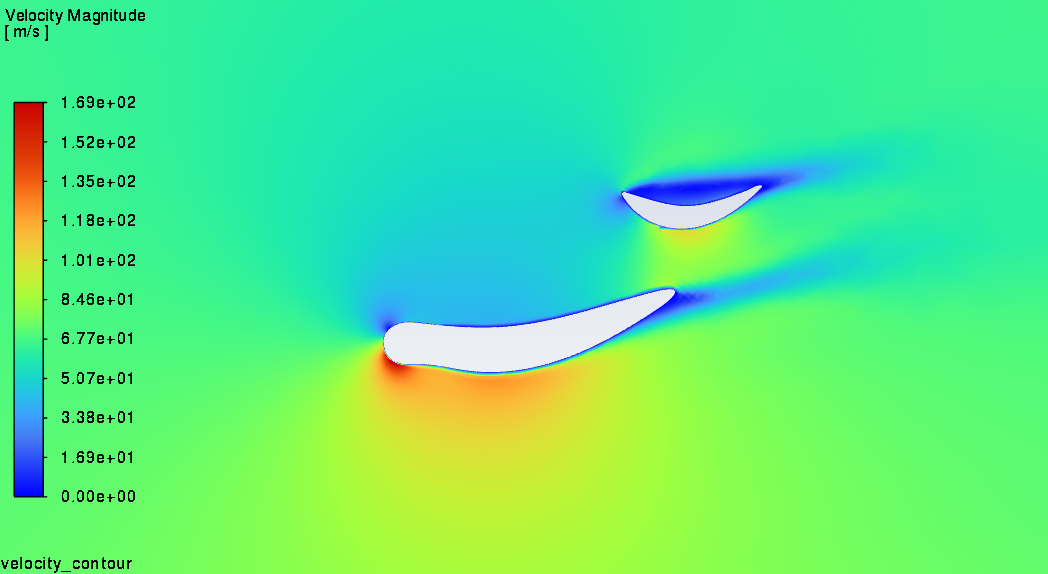
Using OpenFOAM I looked at the effect of various rear wing motions on lift and drag during the transition. I started with some static airfoil simulations and then progressed to a two element wing with a rotating flap.

Getting the flap to move in the simulation was more complicated than I'd originally anticipated. Mesh stability and the timing of the rotation both became important. I eventually produced a series of simulations comparing the conventional DRS inspired motion with more extreme wing motions inspired by the F1 designs.

The project gave me a far better insight into both aerodynamics and the difficulties of modelling a moving system.
Car Design · Aerodynamic Efficiency

Supermileage

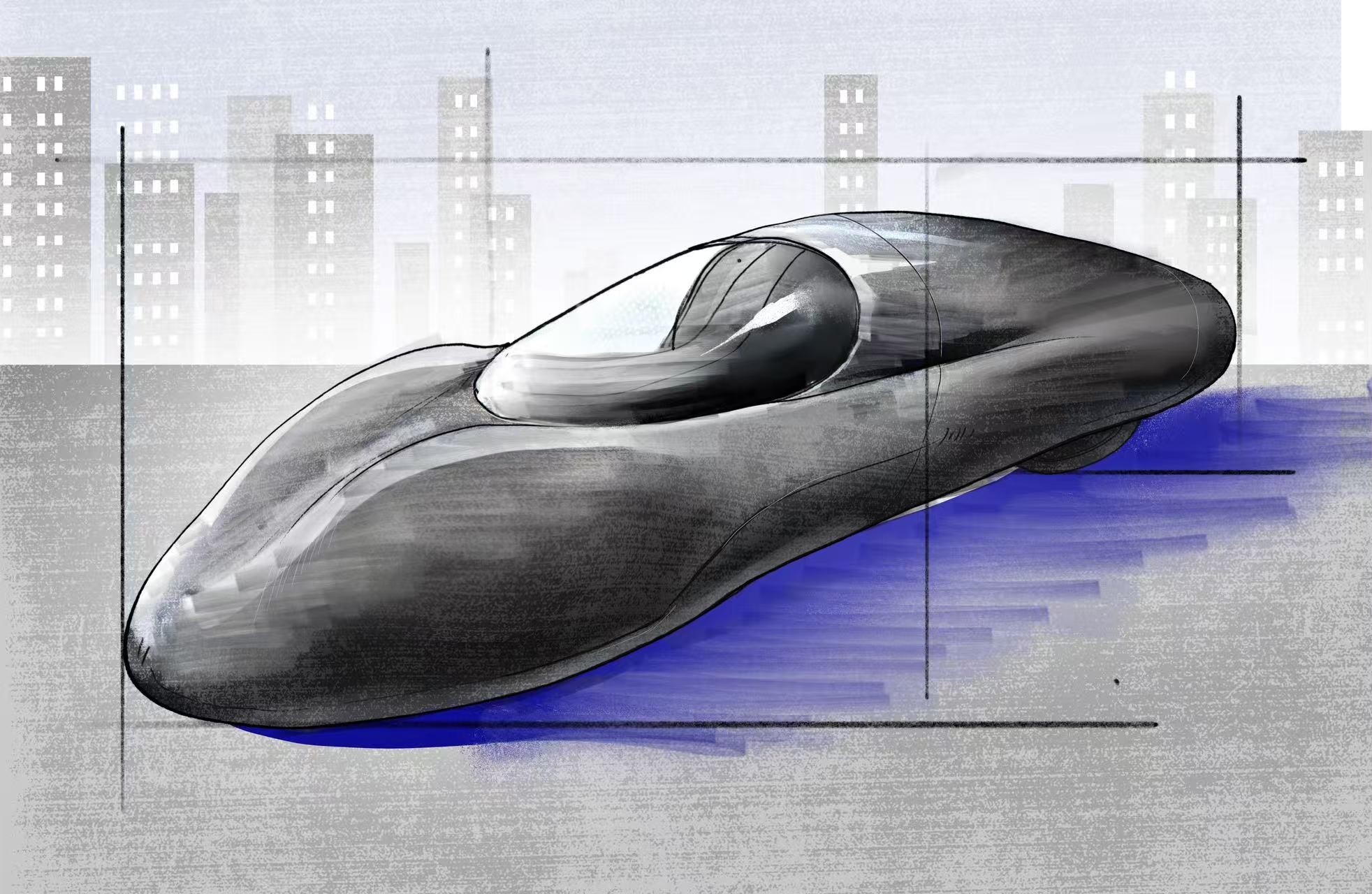
I was on the very first school Supermileage team and my role was to redesign the body of the car to reduce its aerodynamic drag.

I did a bit of work on the existing design using SolidWorks and CFD to look at it and see where we could make improvements. A lot of the work was on the overall body shape, the frontal area, the cockpit and the flow around the car.

I wanted the final design to be more than just a nice-looking car. I wanted to test whether the changes actually reduced drag by comparing the existing and redesigned cars.

Supermileage design preview 02 · Car Design

Get in Touch

Interested in the work behind the results?

I've gone into a bit more detail regarding my projects, the design process, the simulation results and some of the problems we encountered along the way.

Feel free to have a look at my work or get in touch if you'd like to discuss engineering, aerodynamics or anything else I'm currently working on.

CAR DESIGN — SUPERMILEAGE

Redesigning a Supermileage Car for Less Drag

When I joined my school’s first Supermileage team, we were working with a car inherited from another school. It gave us a starting point, but the body had sharp corners, flat surfaces, and abrupt transitions. I wanted to see how much we could improve its aerodynamic performance through a redesign.

I initially considered modifying the existing body. However, after looking at the materials, manufacturing requirements, and costs, I decided that designing a new aerodynamic shell would be more practical.

That became the starting point of my design project.

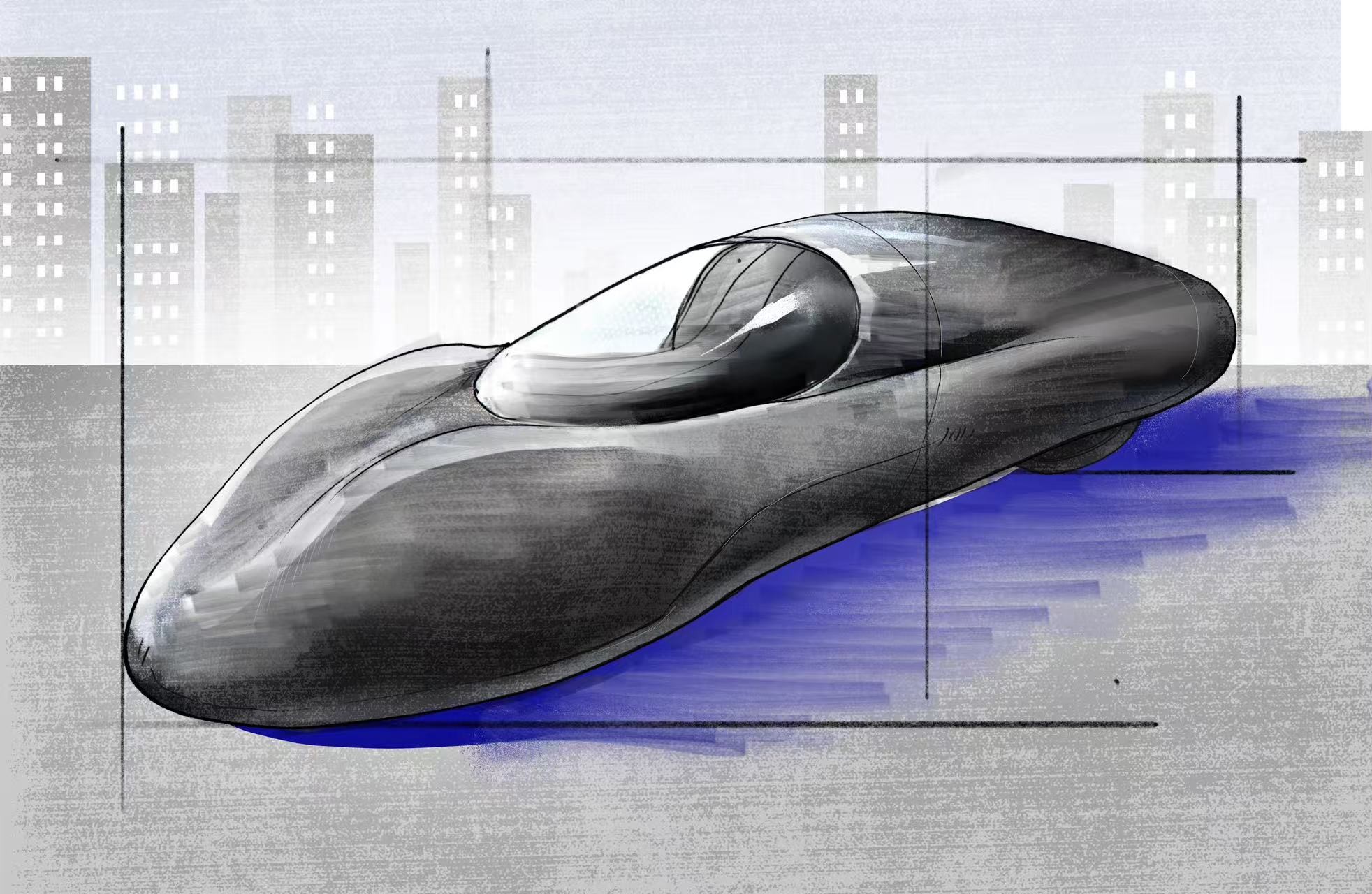
Supermileage redesigned vehicle

01 — The Original Design

The original vehicle had a stainless-steel shell. Although it was structurally usable, major modifications would have required tools and manufacturing experience that our team didn’t have. Reworking the shell was also expected to cost more than making a new one.

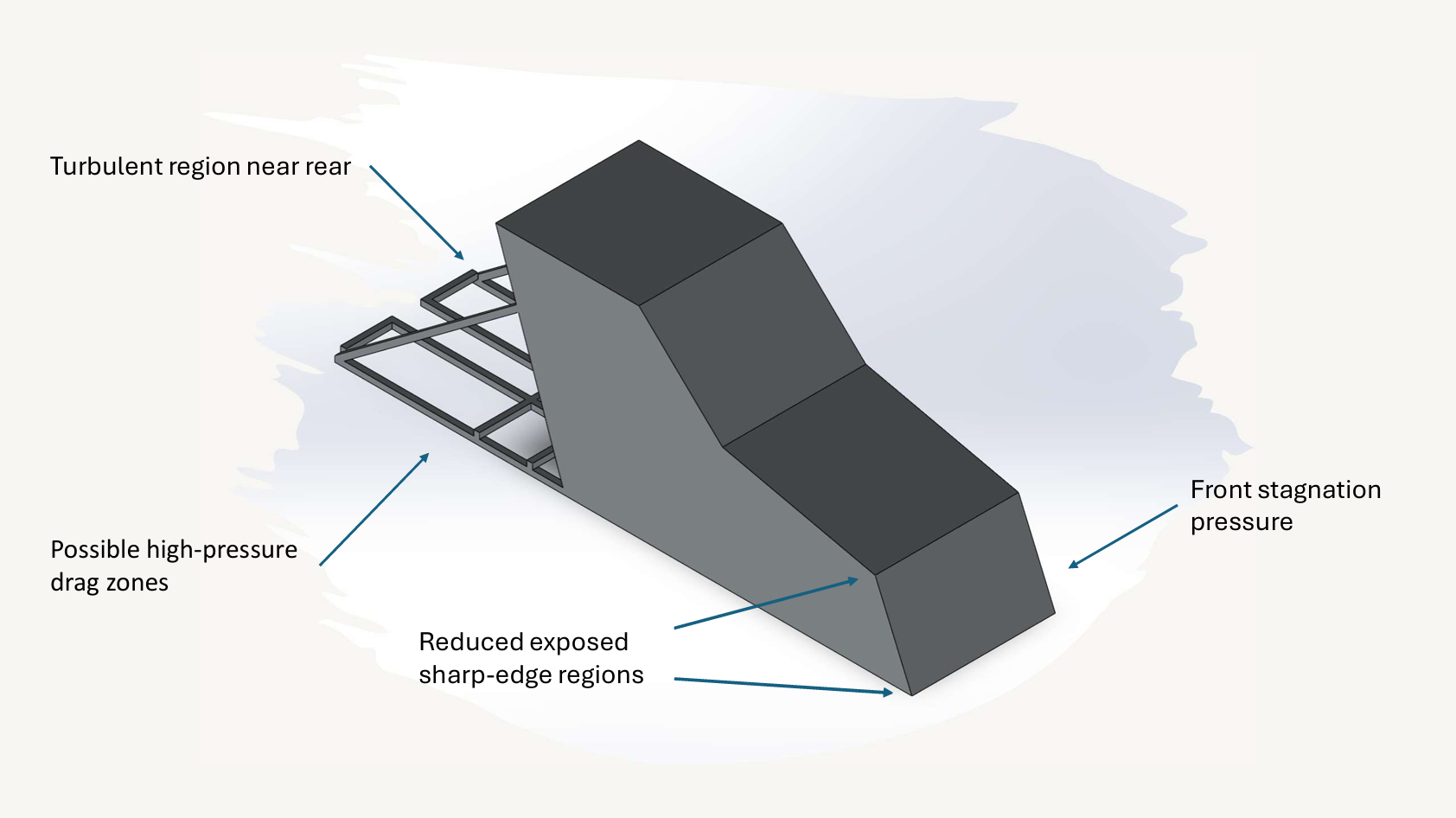
There were a few aerodynamic areas I wanted to look at. The front had quite abrupt surfaces, the body had some very sharp transitions and the rear geometry didn’t look at all good in terms of flow separation.

Rather than making minor tweaks to the individual panels I decided to re-design the exterior as a complete aerodynamic body.

Original Supermileage vehicle geometry

02 — Redesigning the Body

I developed the new geometry in SolidWorks, focusing on the flow of air from the front of the vehicle to the rear.

My main design changes included:

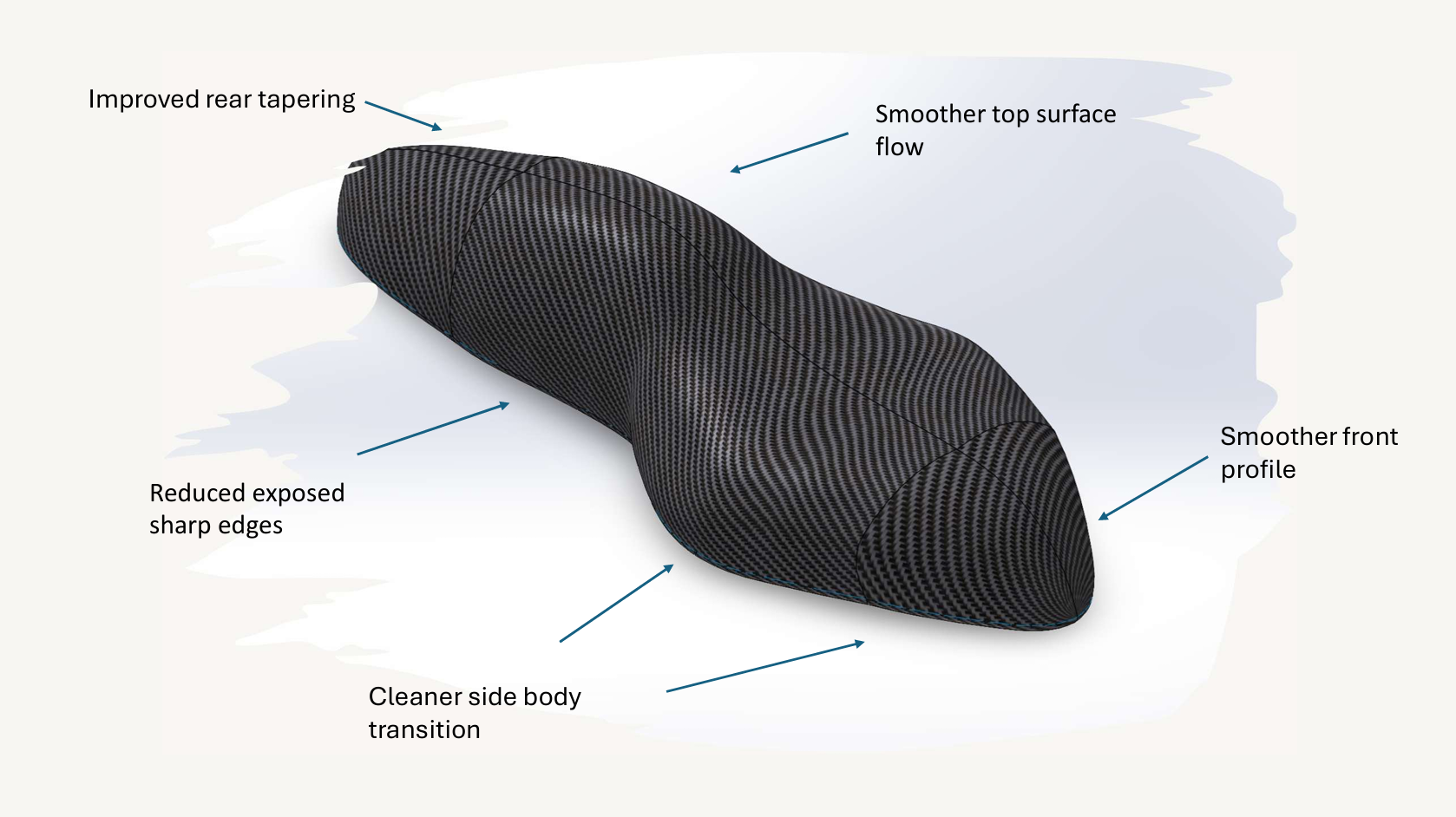
  • Front profile: Replaced the abrupt front with a smoother, more rounded shape.
  • Upper surface: Created a more continuous transition across the top of the vehicle, including the cockpit area.
  • Side body: Reduced unnecessary edges and sharp geometric changes.
  • Rear section: Added a more gradual taper to reduce wake disturbance.

I also had to consider the overall dimensions and usefulness of the body. A design could look perfect in CAD but still be difficult to manufacture.

Supermileage redesigned body geometry

03 — Testing the Designs with CFD

After finishing the CAD models, I compared the original and redesigned bodies using SolidWorks Flow Simulation and ANSYS Fluent.

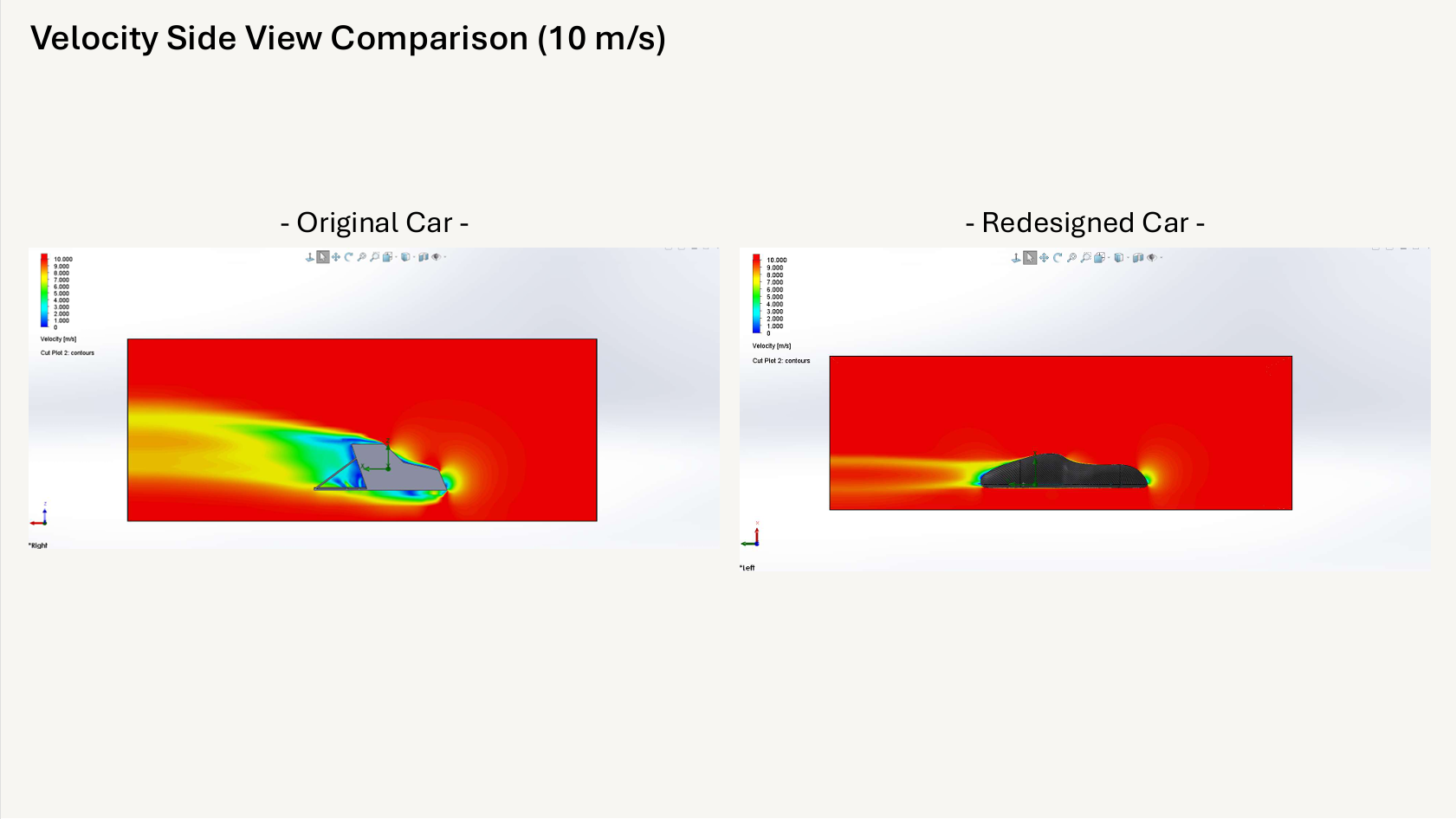
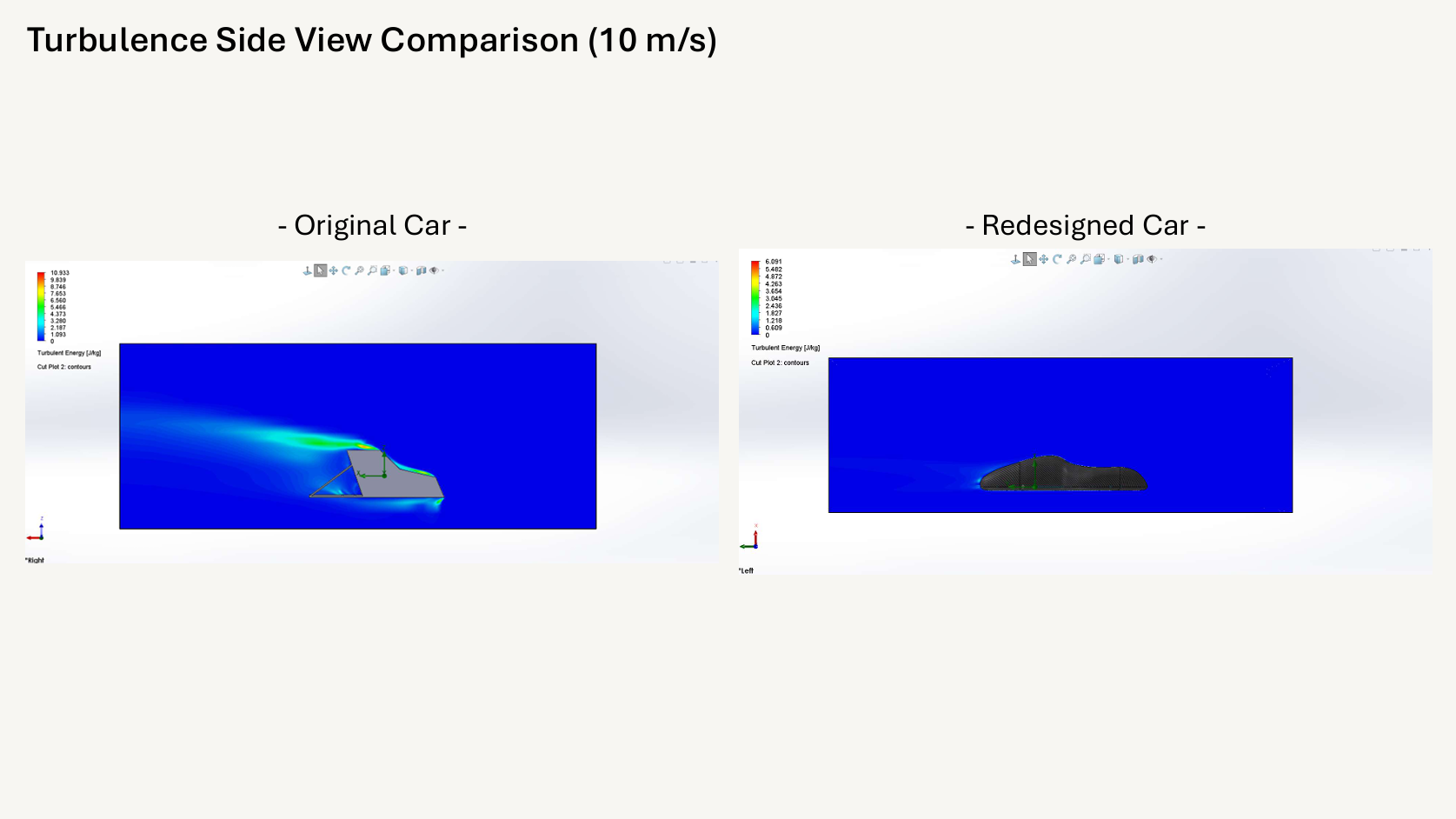
SolidWorks Flow Simulation helped me to visualise the airflow around the vehicle. I looked at the pressure distribution, the velocity field, the flow direction and the regions of disturbed flow. The majority of my visual comparisons were at a freestream velocity of 10m/s.

I used ANSYS Fluent for the quantitative comparison. Both vehicle geometries were simulated at 5, 10 and 15 m/s and the aerodynamic forces and coefficients were extracted.

This allowed me to compare the visual flow patterns with the numerical drag results.

What I Looked For

One of my main concerns was the airflow at the front and the rear of the car.

At the front I examined where the high pressure regions were forming and how the air was accelerating past the body. On the sides and upper surface I was looking at whether the new geometry was helping the flow to be smoother.

At the back end, I looked at the low-velocity wake and the regions of disturbed flow for both vehicles. A smaller wake and less severe separation would help explain the reduction in aerodynamic drag.

Original and redesigned Supermileage velocity comparison
Original and redesigned Supermileage turbulence comparison

04 — Results

The new body gave a significantly lower drag coefficient at all three speeds.

Drag Coefficient Comparison
Column 1Column 2Column 3
Freestream VelocityOriginal Body CdRedesigned Body Cd
5 m/s2.5380.454
10 m/s2.5120.403
15 m/s2.4990.378

The same trend appeared at every speed that I tested; the new design was better aerodynamically in the simulations.

Pressure Distribution

The new front and upper surfaces had a much smoother pressure distribution with far fewer of the abrupt pressure changes that were present with the original geometry.

Wake and Flow Separation

The new vehicle produced a smaller area of low velocity flow behind the body which meant that it had reduced some of the separation and wake disturbance present in the original.

Flow Behavior

The velocity and turbulence visualisations showed a less disturbed flow around parts of the upper body and the rear, consistent with the lower drag achieved in Fluent.

Lift and Stability

I also looked at lift as reducing drag shouldn’t be the only thing you’re after in a vehicle design.

The new body produced significantly less negative lift than the original. For a Supermileage car where efficiency is the key thing, generating a lot of downforce wasn’t the objective at all.

However I wouldn’t go on the simulations alone to say that the car had been made any more stable. The crosswind behaviour, the steering response and the actual driving characteristics would all have to be checked individually.

05 — Limitations and Next Steps

Although the CFD results showed a substantial improvement, several limitations still need to be addressed before the design can be considered fully validated.

Geometry Simplifications

The simulation models didn’t have all the bits of the vehicle. Wheels, suspension and steering geometry were all simplified or indeed omitted so the simulated airflow doesn’t in fact represent the real car.

Mesh and Simulation Settings

CFD results of course depend on mesh quality, boundary conditions and solver settings. Further mesh independence studies and sensitivity studies would be required to establish just how reliable the reported differences are.

Comparing the Two Bodies

The two vehicles also had different reference frontal areas. The original model was approximately 0.565m² and the redesigned model was approximately 0.472m². This matters because drag coefficients depend on the reference area used in their calculation, so the Cd values alone do not fully describe the difference in aerodynamic drag.

Experimental Validation

The next stage would be wind tunnel or track testing. You’d want to compare the actual measured aerodynamic behaviour against the CFD predictions and see how the car actually performs in real world driving conditions.

06 — Looking Back

This was one of the first times I’d taken a project beyond CAD and through an aerodynamic redesign and CFD evaluation.

What struck me most was the interlinking of all the various elements of the project. The initial material and manufacturing costs dictated what I could design. The geometry affected the airflow and the CFD results in turn gave me a sense of what changes would be worthwhile.

I learned that making a car look aerodynamic and demonstrating a reduction in drag through CFD are two different things.

RESEARCH — PARTIAL DRS AERODYNAMICS

What Happens Between Closed and Open?

In F1 the Drag Reduction System is generally talked about in two states: closed and fully open. Opening the flap reduces the amount of drag, but it also alters the amount of downforce the rear wing produces.

I became interested in what happens between those two positions. Would a halfway opening produce roughly half the aerodynamic change? Or would a flap which was only half open behave in a rather different manner to what we might expect?

To investigate this, I compared five DRS positions using CFD, from fully closed to fully open.

Rear-wing DRS aerodynamic research

01 — Setting Up the Study

I based the model on the 2D center-plane profiles of a 2018 high-downforce F1 rear wing.

The model comprised the main wing element and a movable upper flap. Rather than just the closed and fully open positions I broke the flap movement down into five positions:

  • 0%: Fully closed
  • 25%: Quarter opening
  • 50%: Half opening
  • 75%: Three-quarter opening
  • 100%: Fully open

I simulated each position as a fixed configuration at three freestream velocities: 50, 70, and 90 m/s.

All 15 cases were simulated in ANSYS Fluent using the k–ω SST turbulence model.

I went with a 2D approach as I was specifically interested in how the interaction between the main wing and the upper flap varied as the gap increased. It also enabled me to compare the five positions without the added complication of a full 3D rear wing.

0% DRS

0%: Fully closed

DRS flap at 0 percent opening

drs-0-percent.jpg

02 — Comparing the Five Positions

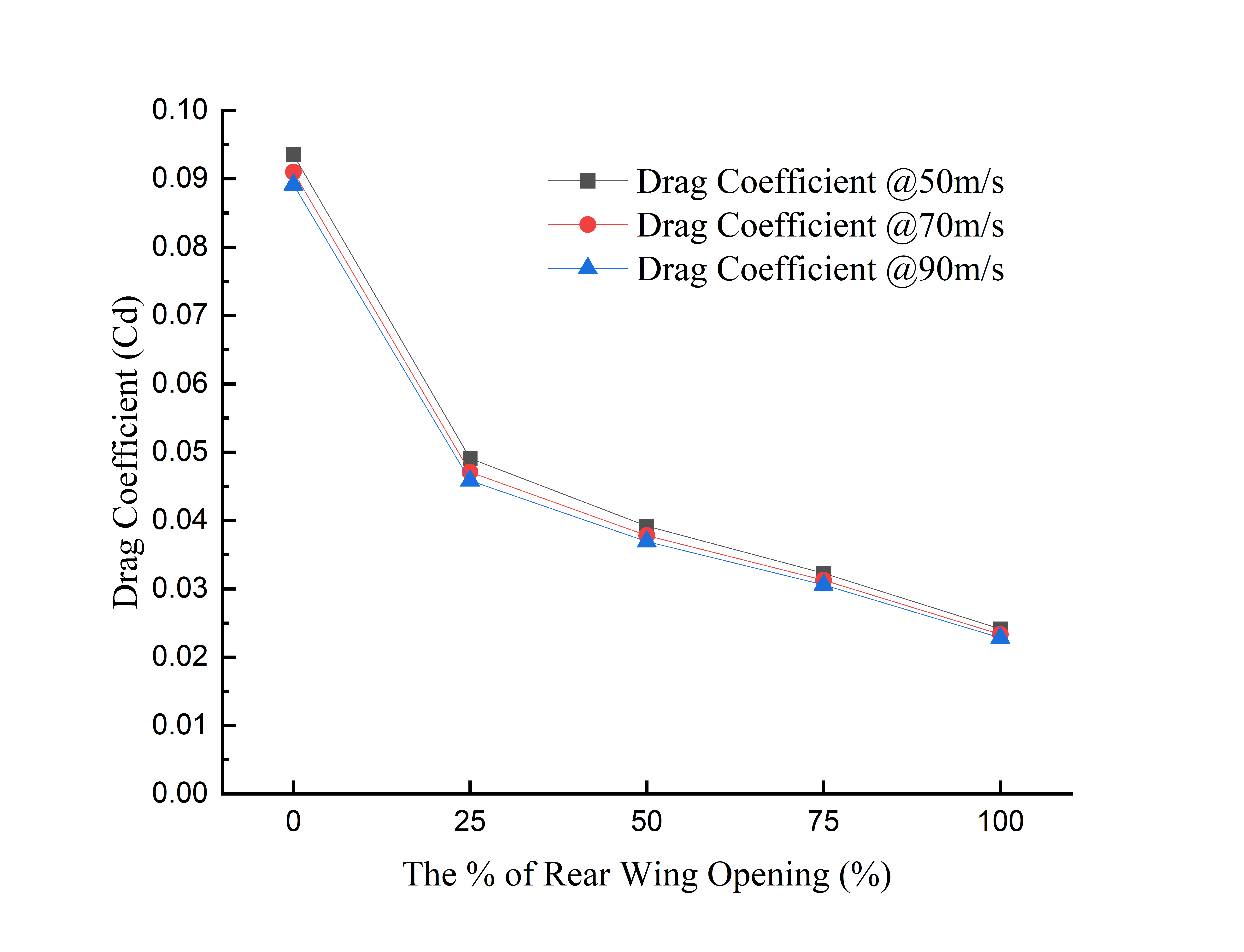
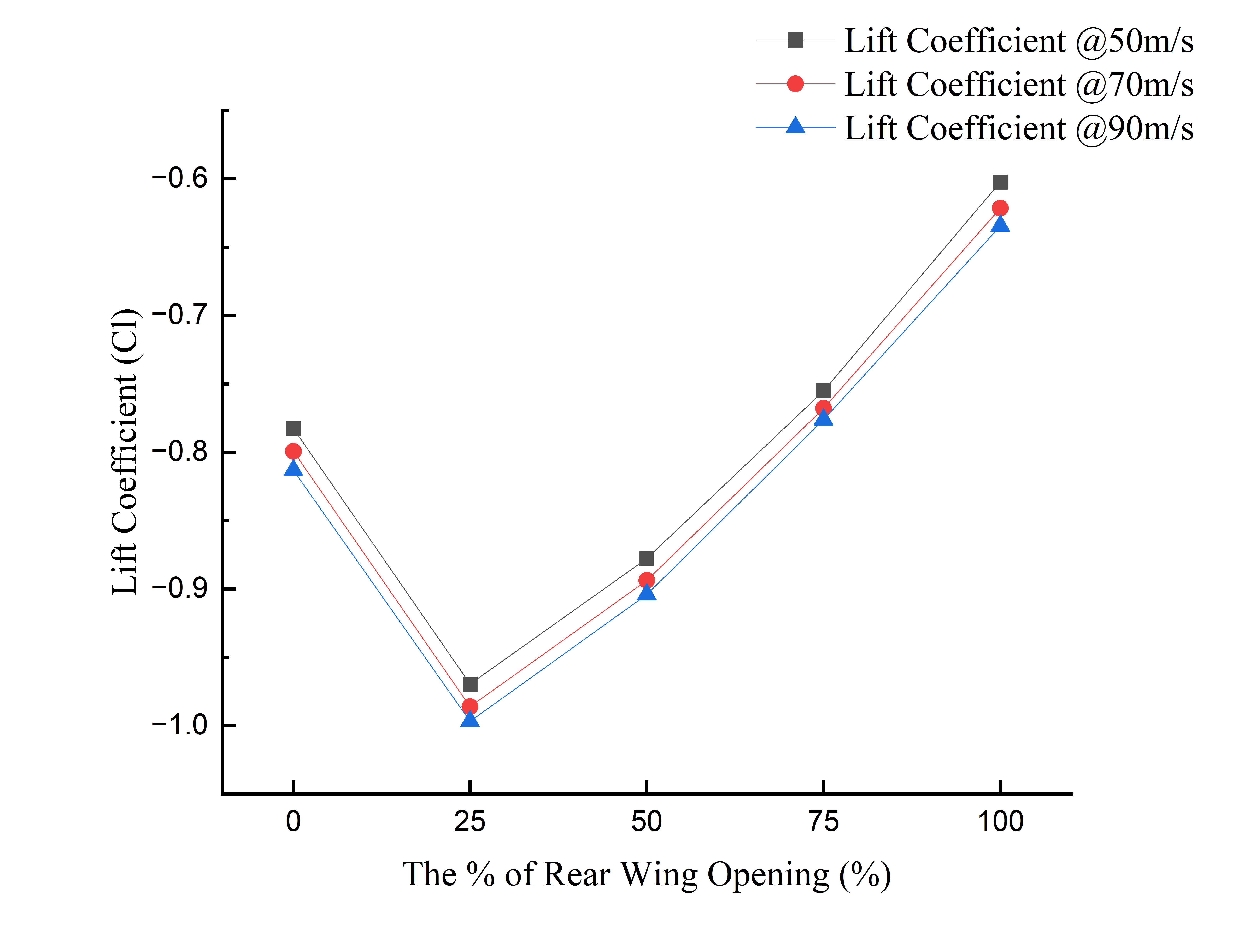
The results showed that drag and downforce did not vary linearly with flap opening.

At 25% opening, the wing produced less drag but more downforce than in the fully closed configuration.

As the flap opened farther, drag continued to fall, but the additional downforce at 25% opening did not persist. The wing gradually became less loaded as it approached the fully open position.

Across all three speeds, the aerodynamic forces varied, but the general trends in lift and drag coefficients remained similar. This suggested that the effect of flap position was broadly consistent across the tested freestream velocities.

Drag coefficient, Cd

Cd results for the five DRS opening positions

Lift coefficient, Cl

Cl results for the five DRS opening positions

03 — Understanding the 25% Opening

One possible explanation was airflow through the gap between the main wing and the flap.

At a small opening, the gap may act as a slot. Flow through this gap could help maintain attachment along the suction side of the flap, changing the pressure distribution and possibly contributing to the additional downforce.

This could help explain why the 25% opening reduced drag while increasing downforce in the simulations.

At larger flap openings the effective camber as well as aerodynamic loading on the rear wing changed. The reduction in downforce became quite apparent even though drag was still falling.

The slot-flow explanation remains an interpretation of the simulated behavior rather than a separately validated mechanism.

04 — Limitations of the Model

The aim of the study was to look at the relative aerodynamic performance of various DRS opening configurations, rather than to replicate the full aerodynamics of a Formula 1 car.

The simulations employed 2D wing sections so that effects such as endplate interactions, spanwise flow and the influence of the rest of the vehicle were not taken into account.

These effects could alter the aerodynamic characteristics of a real rear wing, especially at intermediate flap settings.

I also modelled each flap position as a stationary configuration. The simulations therefore describe the flow at the individual open positions rather than what occurs as the flap is actually rotating.

A full 3D model and experimental testing would be needed to determine whether these trends hold for an actual rear wing.

05 — Where This Research Led Me

What interested me most was that the intermediate positions weren’t simply smaller versions of the fully open configuration. The 25% opening showed a different relationship between drag and downforce.

However, each simulation assumed that the flap had already reached its position and remained stationary. In reality, opening DRS involves continuous movement, and the airflow must respond as the flap rotates.

That led me to my next question: how do lift and drag change while the flap is actually moving?

RESEARCH — THE MACARENA WING

What Happens While the Wing Is Moving?

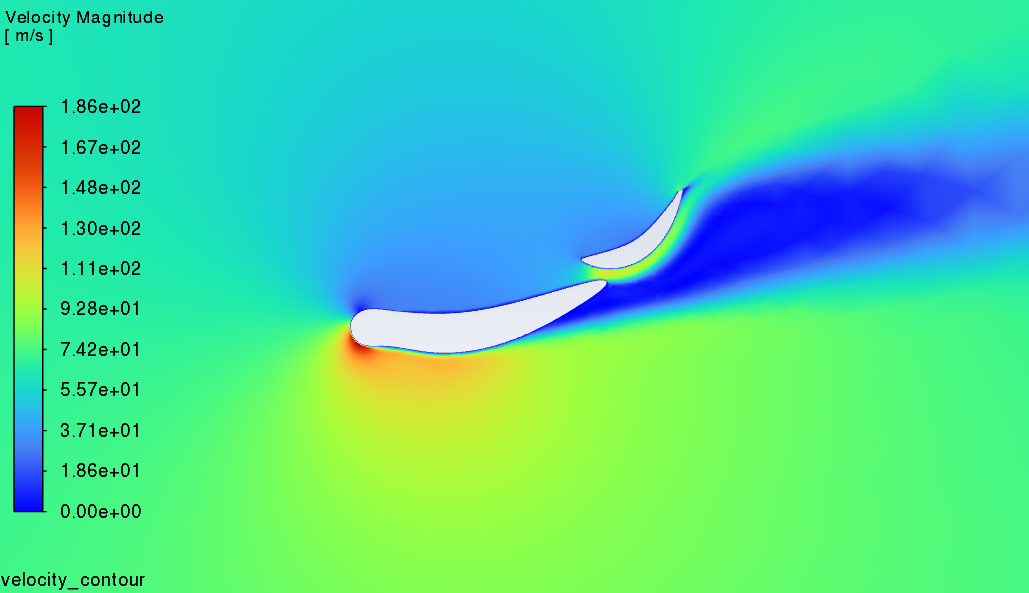
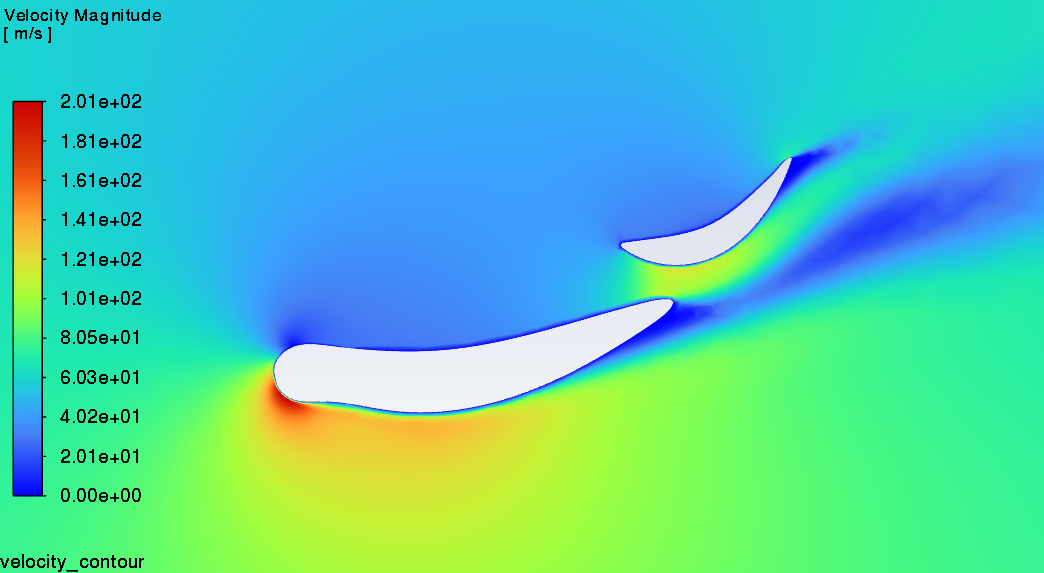
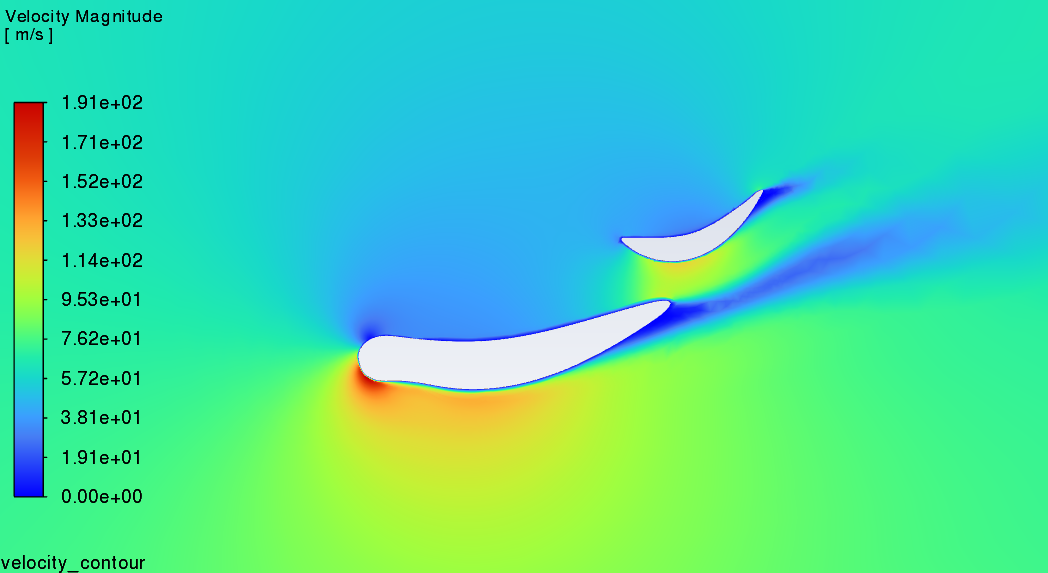
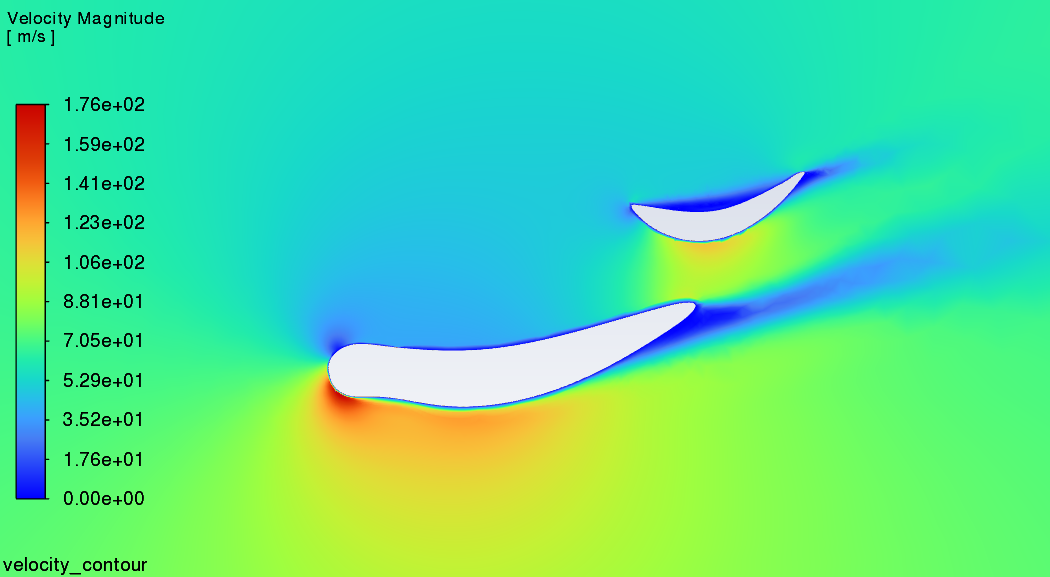
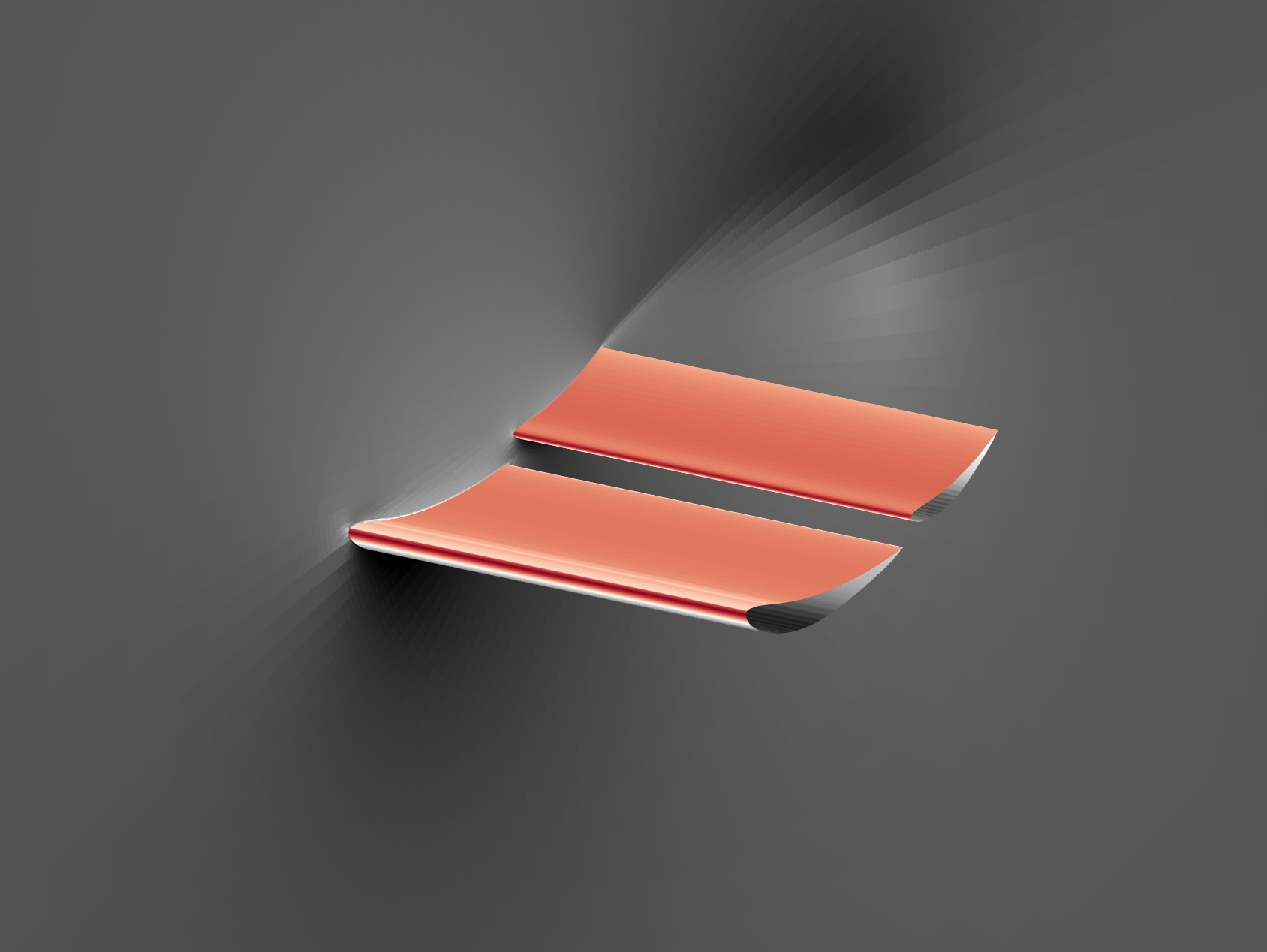
In my earlier partial DRS study I looked at fixed flap positions, but those simulations didn't really show what was happening to the flow as the flap moved. I was interested in the aerodynamic response during the transition rather than just at the start and end points. To look at that I've built a transient CFD model of a two element rear wing and have compared three Formula 1-inspired flap rotation strategies.

The Macarena Wing active rear-wing CFD

01 — From Static to Moving Simulations

I started off with some static simulations of the E423 airfoil, then developed a two-element wing with a fixed main section and an independently rotating flap. OpenFOAM 13 was used with the k–ω SST turbulence model and the simulations had been run at 80m/s freestream velocity. A wing section model was used rather than a full 3D F1 rear wing in order to concentrate on the moving mesh setup and aero response.

02 — Building the Moving-Mesh Model

Getting the flap to rotate reliably was one of the hardest bits of the project. I used OpenFOAM's solid body rotation and a circular non-conformal coupling (NCC) interface. The flap and the mesh around it formed a rotating zone and the rest of the domain remained stationary. The NCC interface allowed the two zones to exchange flow information to each other without having to remesh the whole domain.

Mesh movement, interface coverage and simulation stability all still required a lot of debugging. I did a number of motion tests and trial simulations before I carried on to the main aerodynamic comparisons.

03 — Comparing Three Wing Motions

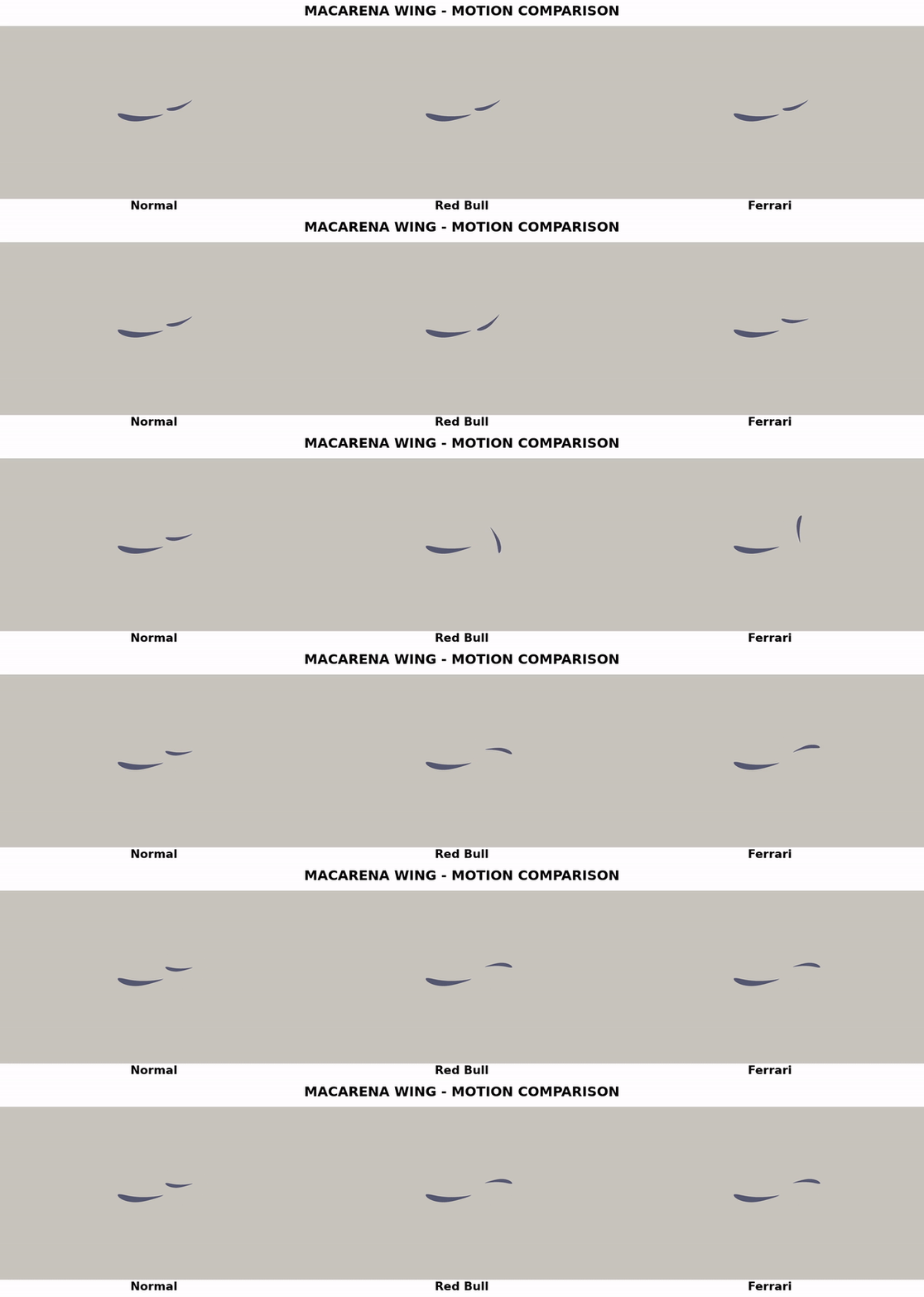
Once the moving mesh was working, I compared three prescribed flap motions:

  • Conventional DRS-Inspired Motion (−20°): A relatively small flap opening, used as the reference case.
  • Red Bull-Inspired Motion (+160°): A much larger rotation, allowing me to examine the aerodynamic response through a wider range of flap positions.
  • Ferrari-Inspired Motion (−200°): A rotation in the opposite direction. Although it ended at the same orientation as the +160° case, it followed a different path.

These were conceptual motion models inspired by Formula 1, not representations of actual rear-wing mechanisms used by the teams.

Keeping the Comparison Consistent

All three simulations used the same E423 geometry, freestream conditions, turbulence model, boundary conditions and force definitions. They all proceeded in the same timing:

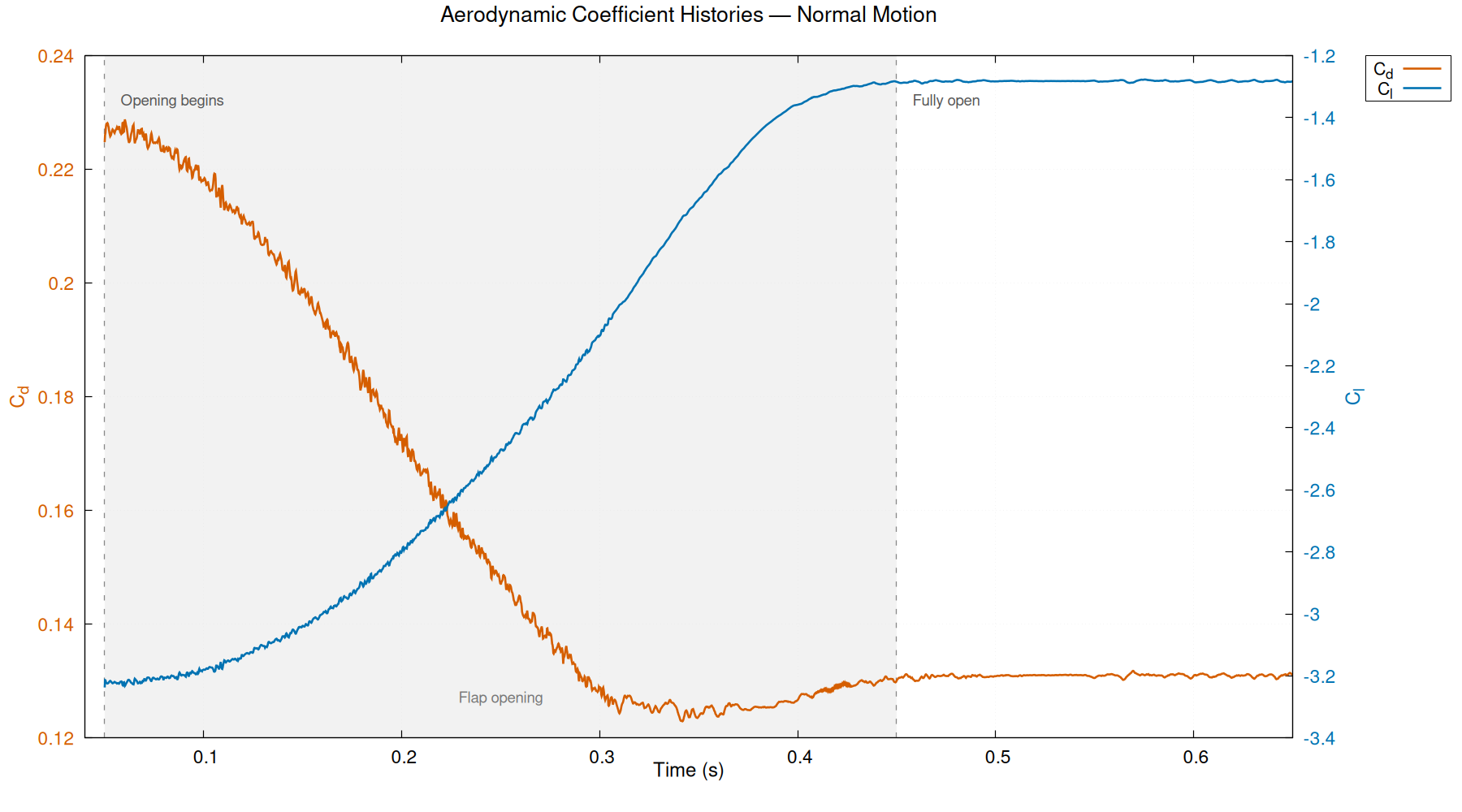
  1. 0.000–0.050 s: Initial period before rotation
  2. 0.050–0.450 s: Prescribed flap movement
  3. 0.450–0.650 s: Period after the prescribed rotation ends

04 — Investigating the Aerodynamic Response

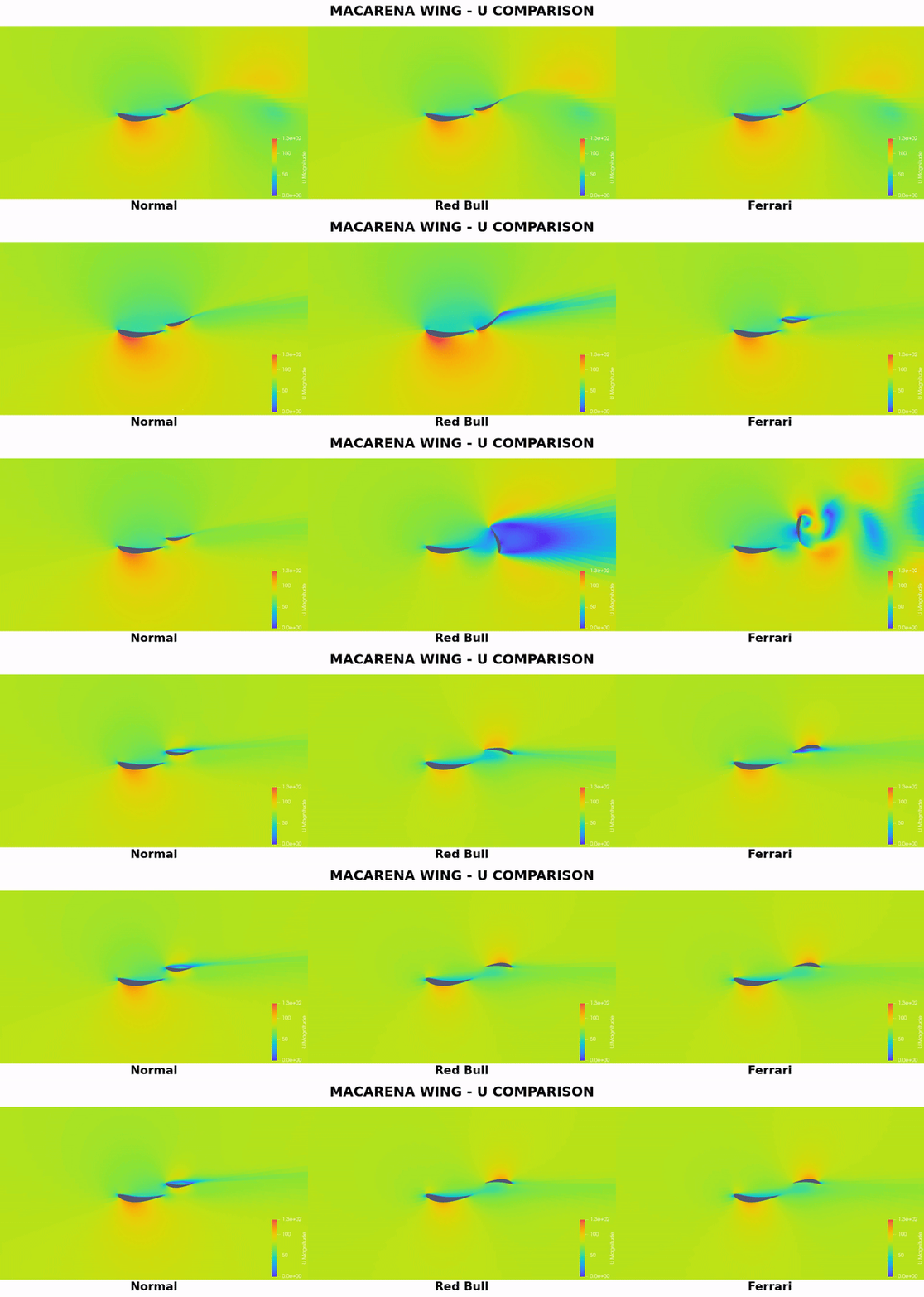
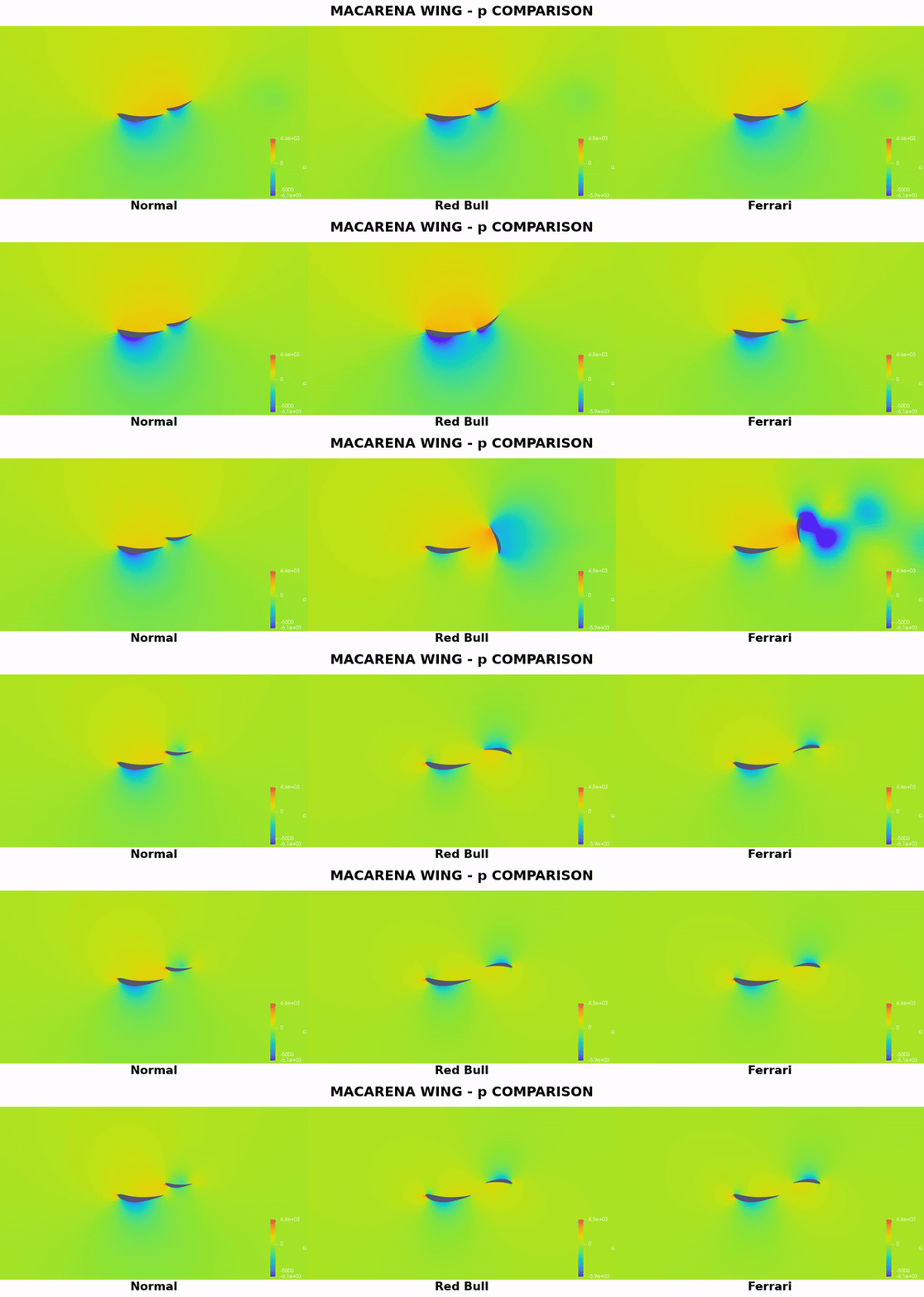
Having run the simulations I used ParaView to look at the evolution of the pressure and velocity fields during each of the rotations. The camera position, field of view, framing and animation timing were all kept the same for the three cases.

Synchronized flap motion
Synchronized comparison of three rear-wing flap motions
Velocity-field comparison
Synchronized velocity-field comparison of three rear-wing motions
Pressure-field comparison
Synchronized pressure-field comparison of three rear-wing motions

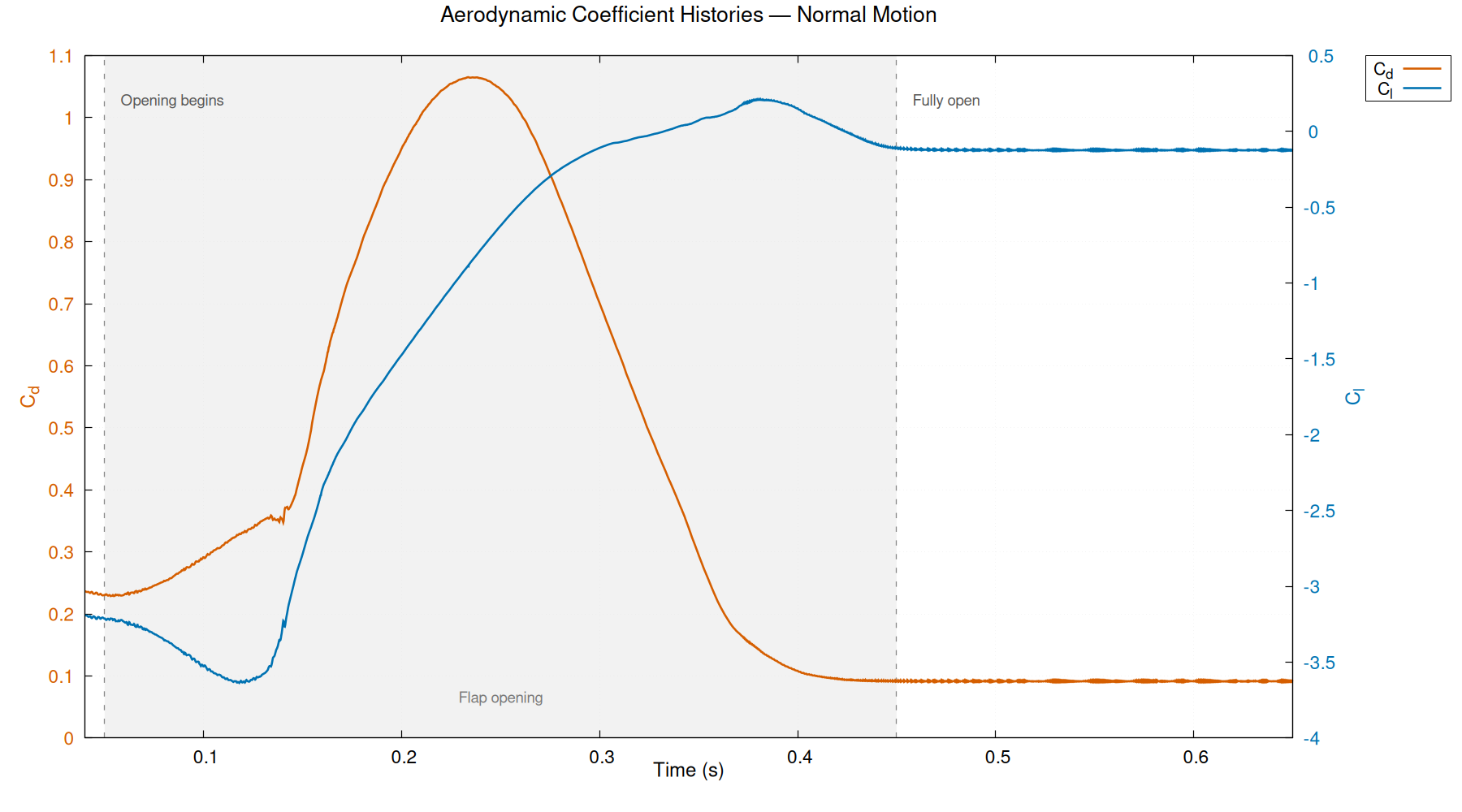
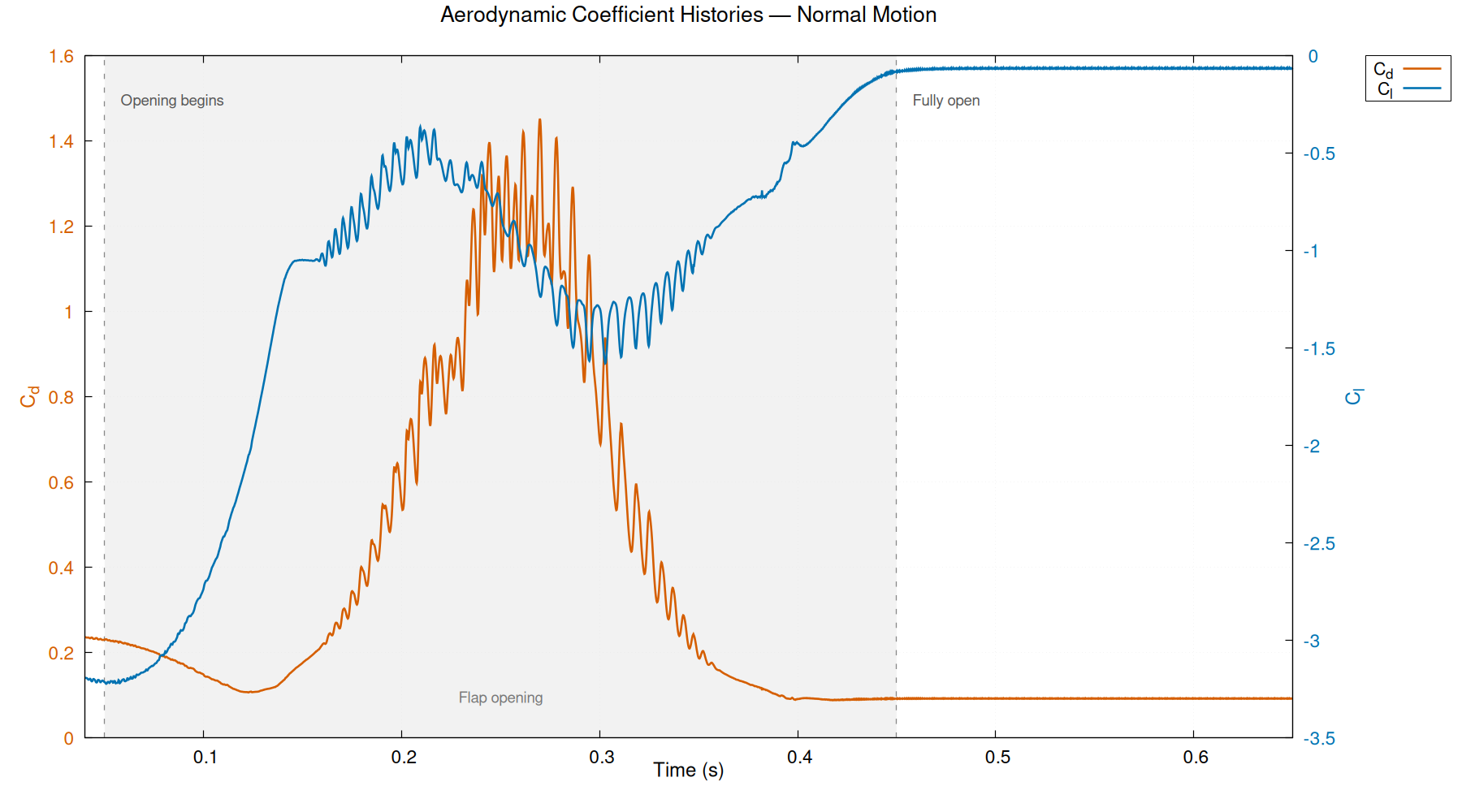
I also processed the time dependent drag (Cd), lift (Cl) and pitching moment (Cm) coefficients from OpenFOAM for the main wing and flap. The time histories along with the Cd-Cl plots enabled me to look at the lift/drag relationship and to compare the aerodynamic response during and after each of the motions.

Conventional DRS-inspired · −20°
Conventional DRS-inspired drag and lift coefficient histories
Red Bull-inspired · +160°
Red Bull-inspired drag and lift coefficient histories
Ferrari-inspired · −200°
Ferrari-inspired drag and lift coefficient histories

05 — Limitations and Further Development

These were simulations using an E423 based wing section rather than a full 3D Formula 1 rear wing so no endplate effects, no spanwise flow and no interaction with the rest of the car were included. The flap motions were prescribed and the model didn't include any actuators, any structural deformation or any of the actual team control systems.

The simulations applied a k–ω SST RANS model with wall functions and the predicted loads are all a function of mesh quality, near wall resolution, time step and numerical settings. Further sensitivity studies and practical validation would be required to assess the accuracy of the predictions. The next stage of work would be to consider the full 3D geometry and to look at the effect of different rotation speeds on the aerodynamic response.

06 — Looking Back

My original intent was to do a comparison of the aerodynamic response for three different flap motions. Getting the moving mesh simulations to run reliably took a lot more effort than we'd anticipated. A significant amount of time was spent debugging interface coverage and stability which in turn led to a much greater understanding of OpenFOAM. The key takeaway was that flap motion is part of the aerodynamic problem. The initial and final flap positions don't tell the whole story.

LEADERSHIP & SERVICE

Working With People Outside the Classroom

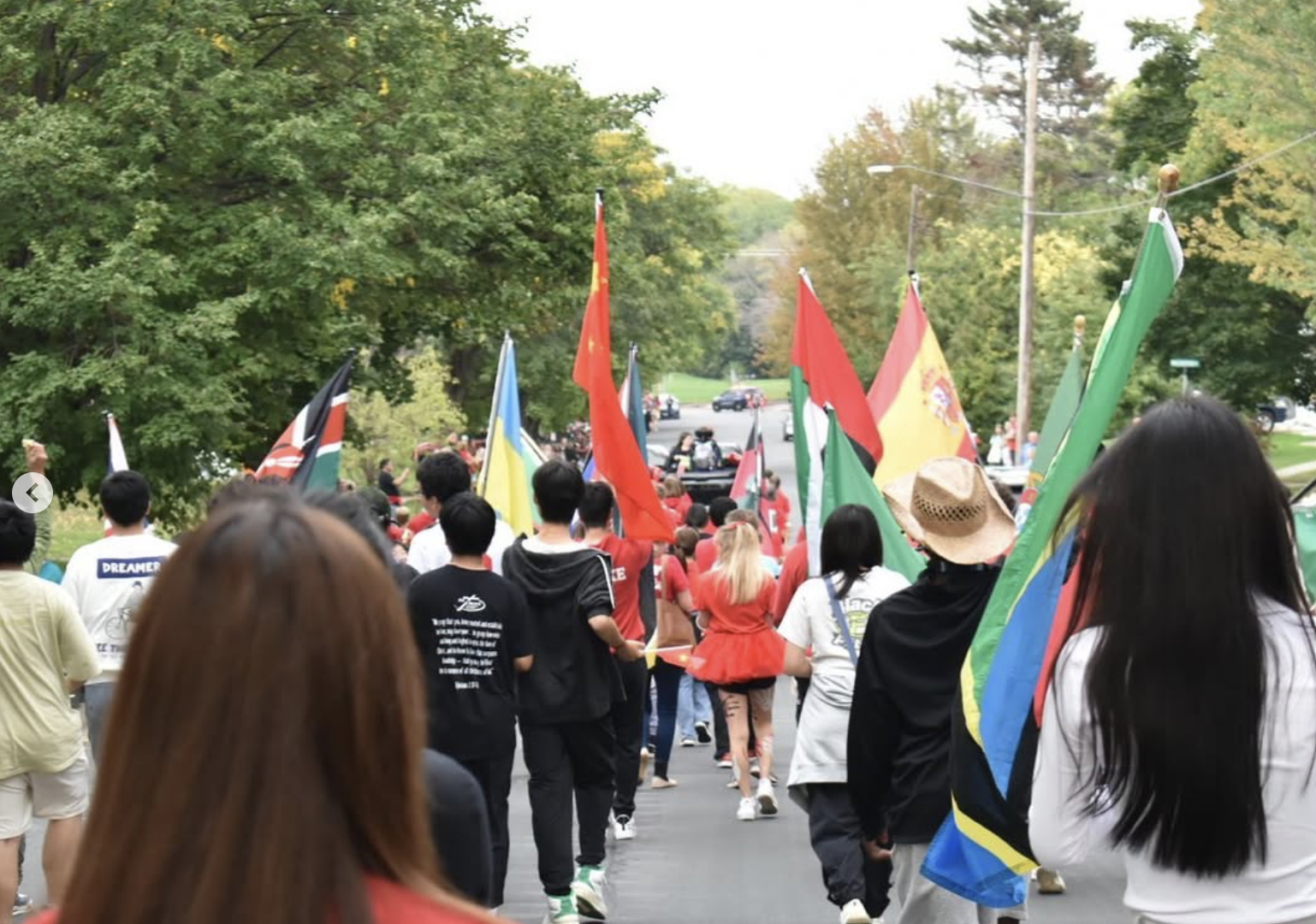
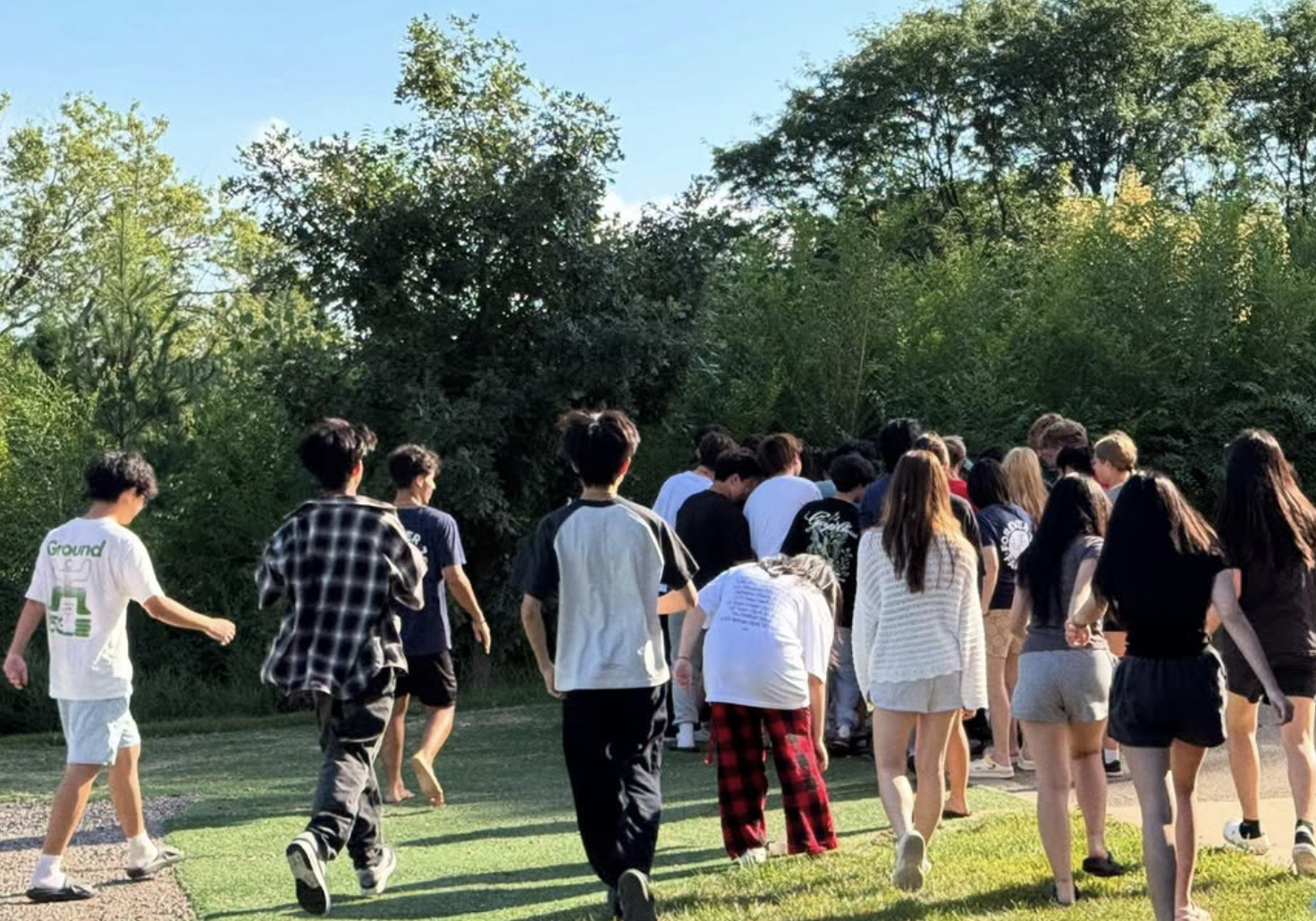
Outside of engineering I've been involved in mission trips, on the Global Leadership Team at school and in dorm life as a Resident Assistant. Each of those has given me different responsibilities and different opportunities to work with people outside of the classroom.

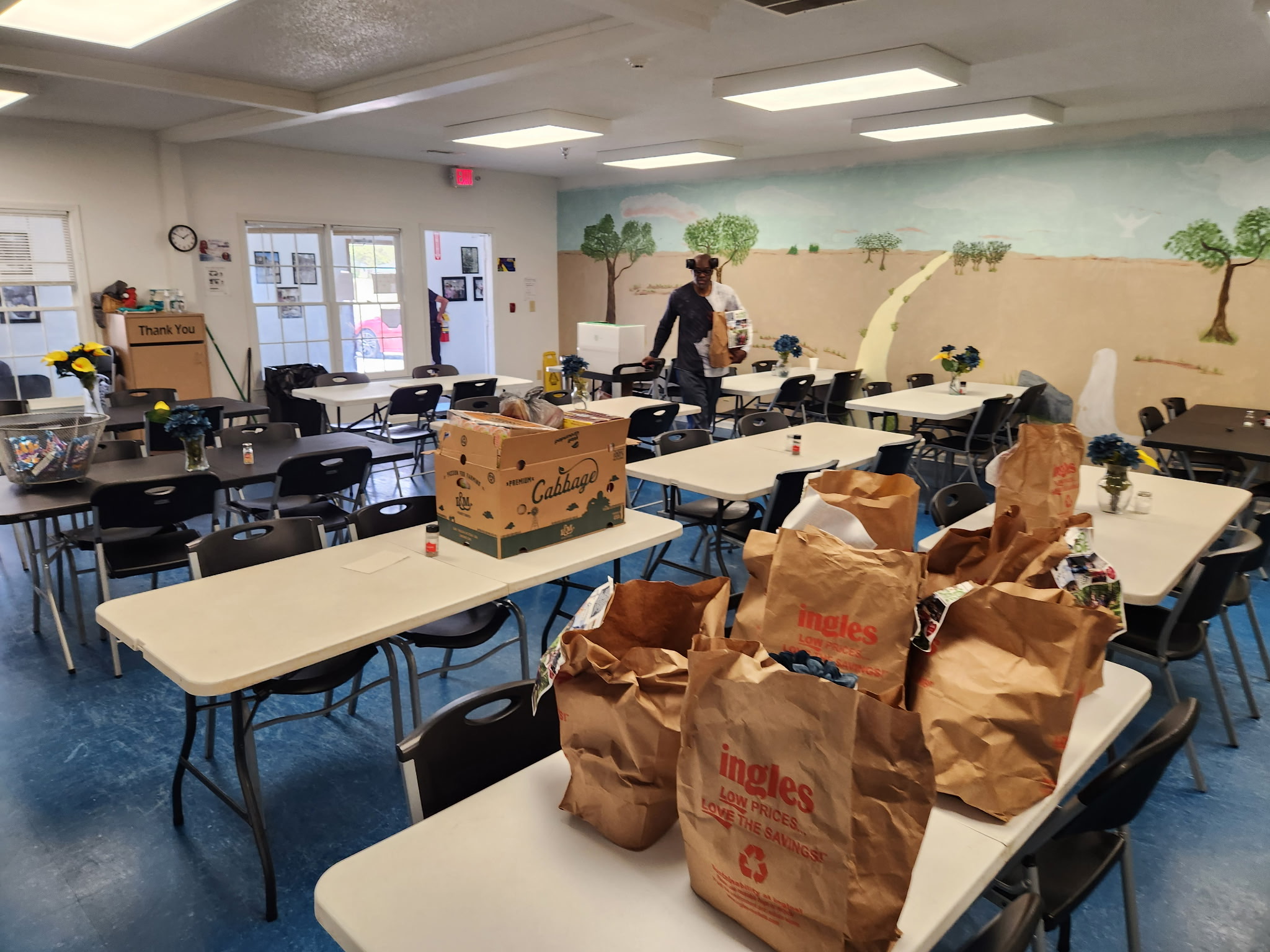
Ian participating in community leadership and service

01 — Mission Trips & Community Service

At St. Croix Lutheran Academy we've had a number of mission trips which have given me the opportunity to put our faith into action in a number of ways. This has included community surveys, ESL volunteering, working with the preschoolers, food collection and a number of service projects for local families.

I did some door to door surveys for a mission congregation. We didn't come in with a project in mind at all. The whole point was to go out and listen to the people and find out what they needed.

Volunteering in the ESL activities and with the pre-schoolers was all about patience and flexibility. You had to be prepared to change the way you were explaining things and to check that people actually understood you. The other projects (food collection, helping out with local families etc) were more about getting the work done.

Mission trip community outreach
Mission trip service project

02 — Global Leadership Team

I'm part of our school's Global Leadership Team which facilitates the links between the American and international students through orientation and the mentor programme. Having gone through the process of settling into a new school, a new language and a new culture myself I can appreciate just how difficult that can be.

I help with the welcoming of new students during orientation, answer all sorts of questions about the school and about life in the dorms and then go on to organise the monthly mentor activities. That involves promoting the events, running the games, taking attendance and generally trying to get the students to get involved. One thing I've learned is that just getting people in the same activity doesn't necessarily mean they'll end up getting to know each other.

I also support the American mentors as they build relationships with their international mentees. They can find it difficult to get the conversation going at times or to re-establish the connection after an awkward moment. There can be quite a difference in what they expect in terms of friendship and communication. My job is to help them to understand each other's perspective rather than have one person simply be 'wrong'.

Global Leadership Team orientation and mentor activities

03 — Dorm Life | Resident Assistant

Aug. 2024 — Present

As a Resident Assistant I live in the community so I'm in the same building as the students. Prior to the school year starting I'm there to help the new dorm students check in, find their room, get a feel for the dorm and the community (particularly those who have never lived away from home).

During the school year I do the evening checks, study hall, shared spaces, weekend stuff, liaise with dorm staff. I answer queries, help students work through any issues they may have and check in with students when we feel they're having a difficult time.

Being approachable is important to me as the younger students are more likely to come to a student than to dorm staff. I do try to listen and assist when I can but I've also learned that being an RA doesn't mean you have to deal with every issue yourself. There are times when the right thing to do is to involve the dorm staff.

Residential Assistant community activity

04 — Looking Back

Such experiences have completely altered my view of what leadership is. Getting the activities going and taking the lead is important, but so is all the little things. Helping someone get settled in, explaining something once more, or simply noticing that someone has been left out. I now regard those little things as absolutely vital to the functioning of a community.

PASSION

Things I Can Spend Hours On

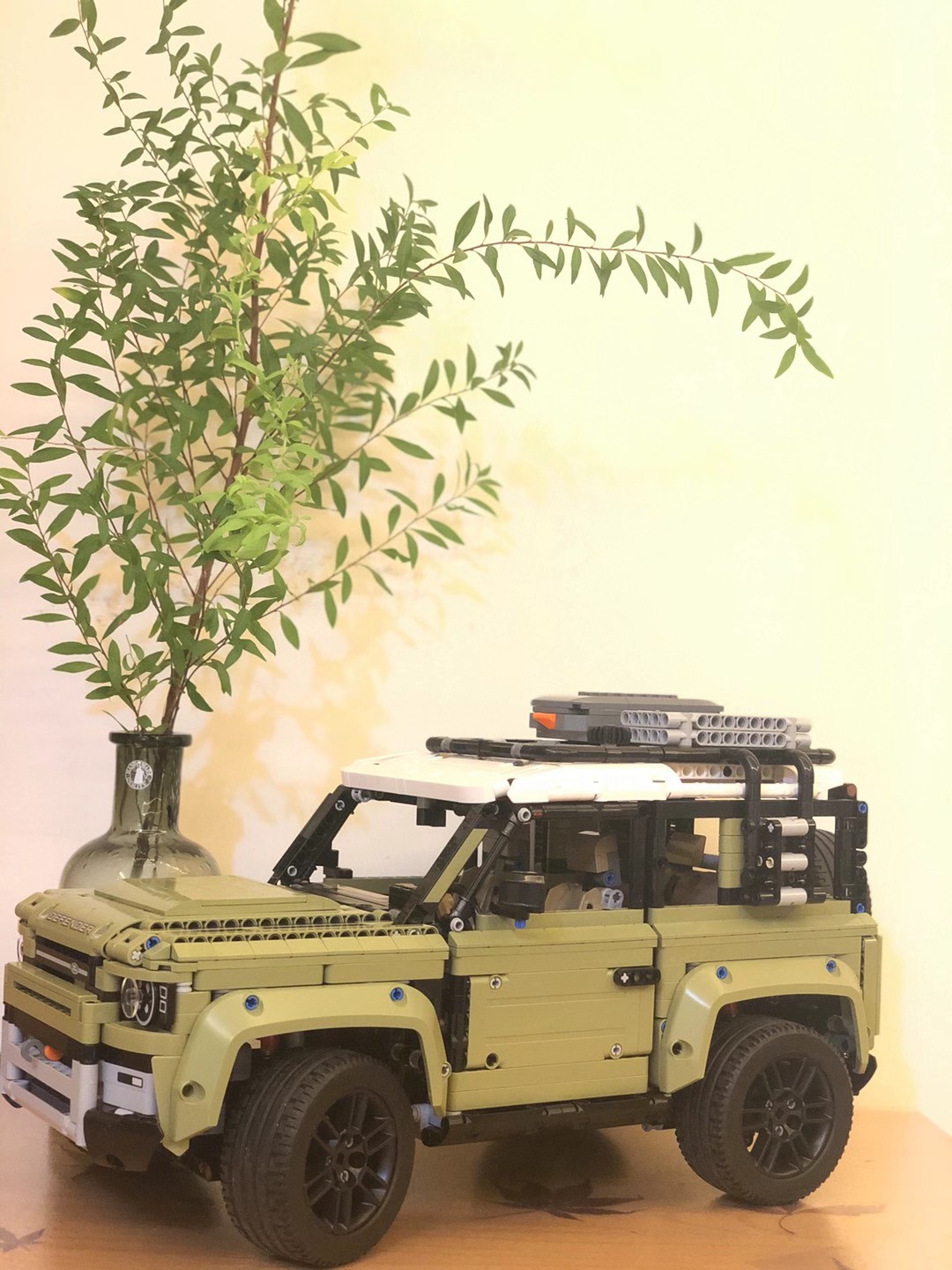
Cars and music have been two of my absolute favourite things for as long as I can remember. Cars took me from Hot Wheels and LEGO Technic right through to the aerodynamics of Formula 1. Music took me from comparing audio gear to actually working behind the soundboard at school. I can easily spend an entire afternoon in either of those.

01 — Cars | From Hot Wheels to Aerodynamics

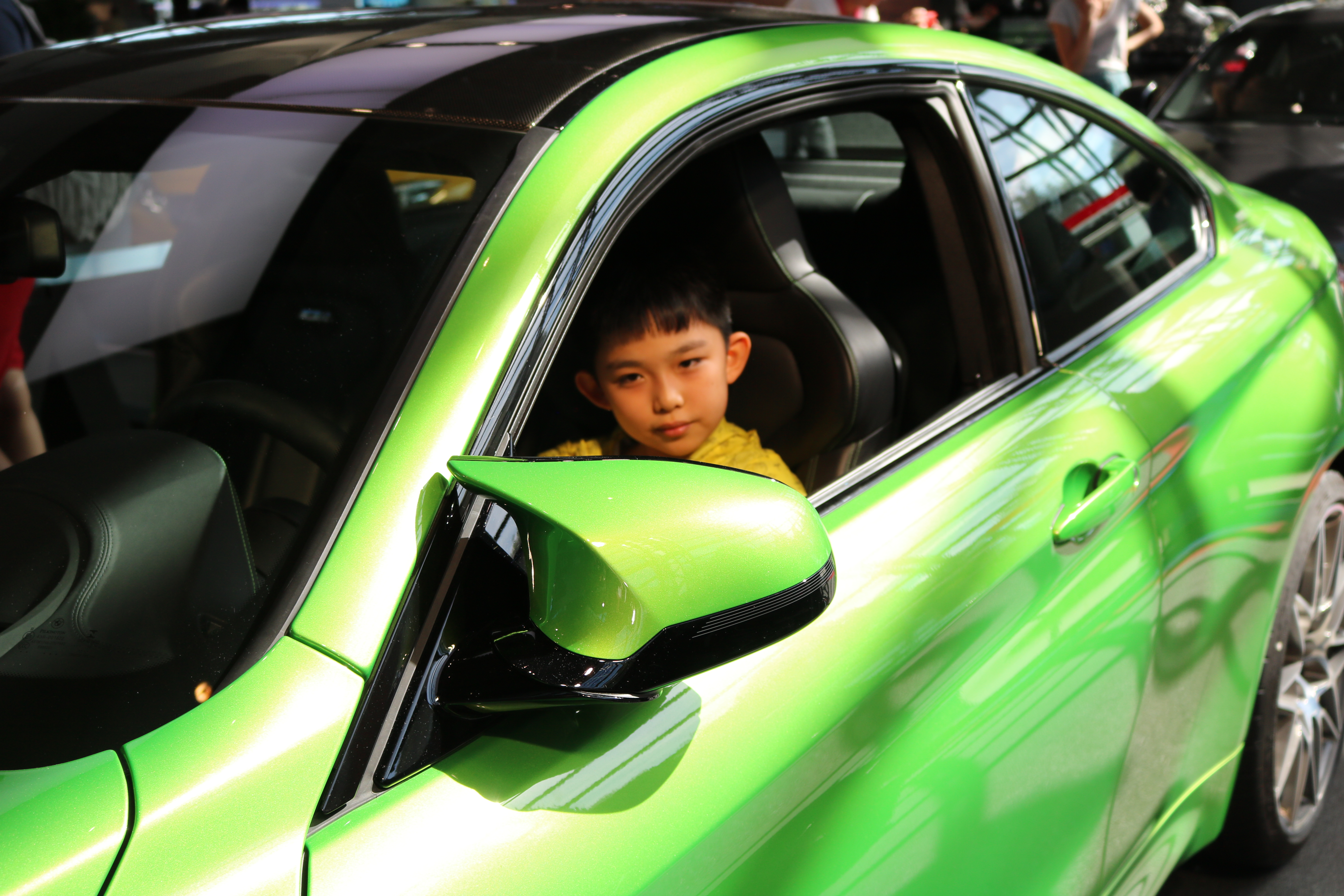
Ian with cars or motorsport
It Started with Hot Wheels

My first cars were Hot Wheels, scattered all over the house. I spent hours racing them around the floor, making all sorts of engine noises and thinking that the one that looked the best must be the fastest. Then I discovered LEGO Technic.

Initially I just followed the instructions. Once a model was completed though I'd take it apart, fiddle with the gears and steering and play with the motors. A lot of the changes made things a lot worse with gears slipping, wheels stopping and in some cases the car just wouldn't move at all. I liked the process of working out what had gone wrong and then trying again.

Getting Interested in Formula 1

As I got older Top Gear was leading me more and more towards performance cars and F1 became one of my absolute favourite things to watch. The sheer amount of detail on every wing, every sidepod, every bit of aerodynamics was just so fascinating. I collected model cars as well and would spend a lot of time comparing them, wondering why the front wings were so complex, why the cars were so different in terms of their design, how a small change could have such a massive effect on the whole car. I didn't have the technical know how to answer any of those questions at that stage, but that just made me all the more curious.

From Models to Real Engineering

Joining our school’s first Supermileage team was my first opportunity to work on a vehicle rather than a model. I did the body design in Solidworks and very quickly discovered that what looked perfect in CAD might well not fit or be feasible to build. It was very much like taking apart a LEGO car in that you could see the bits, but you also had to consider the actual dimensions, the materials and the performance.

My interest in F1 also led me to CFD. I was keen to understand how changes in geometry would affect pressure, airflow, drag and lift. Some of the simulations would give exactly what you'd expect and some of them would have you spending hours trying to work out why they gave the results they did. That line of enquiry eventually led to my research into partial DRS and moving flap simulations in OpenFOAM.

Car models and design details

I still have my model cars, follow F1 and spend far too long poring over the aerodynamic details. I just have better tools now (even if a change can sometimes make things worse). One day I'd like to have my own garage, ideally having a bunch of tools and parts that I can play around with.

02 — Music & Audio | Listening Beyond the Music

How I Got Interested in Sound

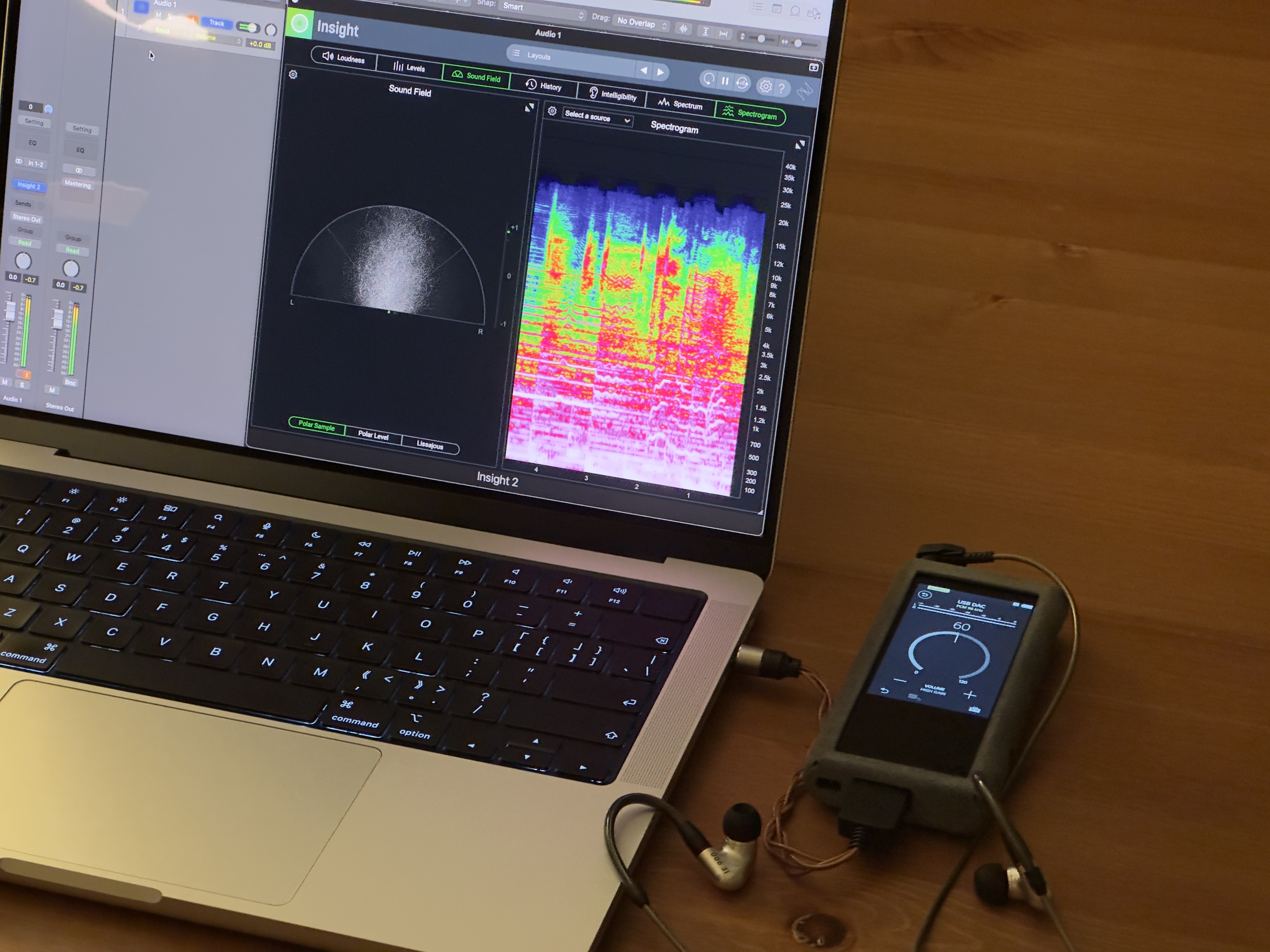
I first started listening not just to the music but to how it sounded. I experimented with headphones and in-ear monitors (IEMs), replaying the same recordings to compare instrument separation, the bass, the vocals and the soundstage. That got me into frequency response, tuning, dynamics and acoustics. I still occasionally go through and replay the same 30 seconds of a track just to pick up on one little thing.

Ian's audio listening setup
Understanding Music from Another Perspective

Taking AP Music Theory gave me another way of listening. Rather than just listening to the sound, I started to listen to the structure, the harmony, the rhythm and how the various elements of a piece interacted.

My tastes are very broad actually, from orchestral through to Fred again.., James Blake, Dave, Adele and Stormzy. I really like the way Dave tells a story over an album, the way Fred again.. takes a fairly mundane recording and makes it feel very personal and intimate and the emotion that Adele brings through her voice. With the orchestral stuff I'm very much interested in the interplay of the instruments and the way a piece evolves.

Four Years on Tech Crew
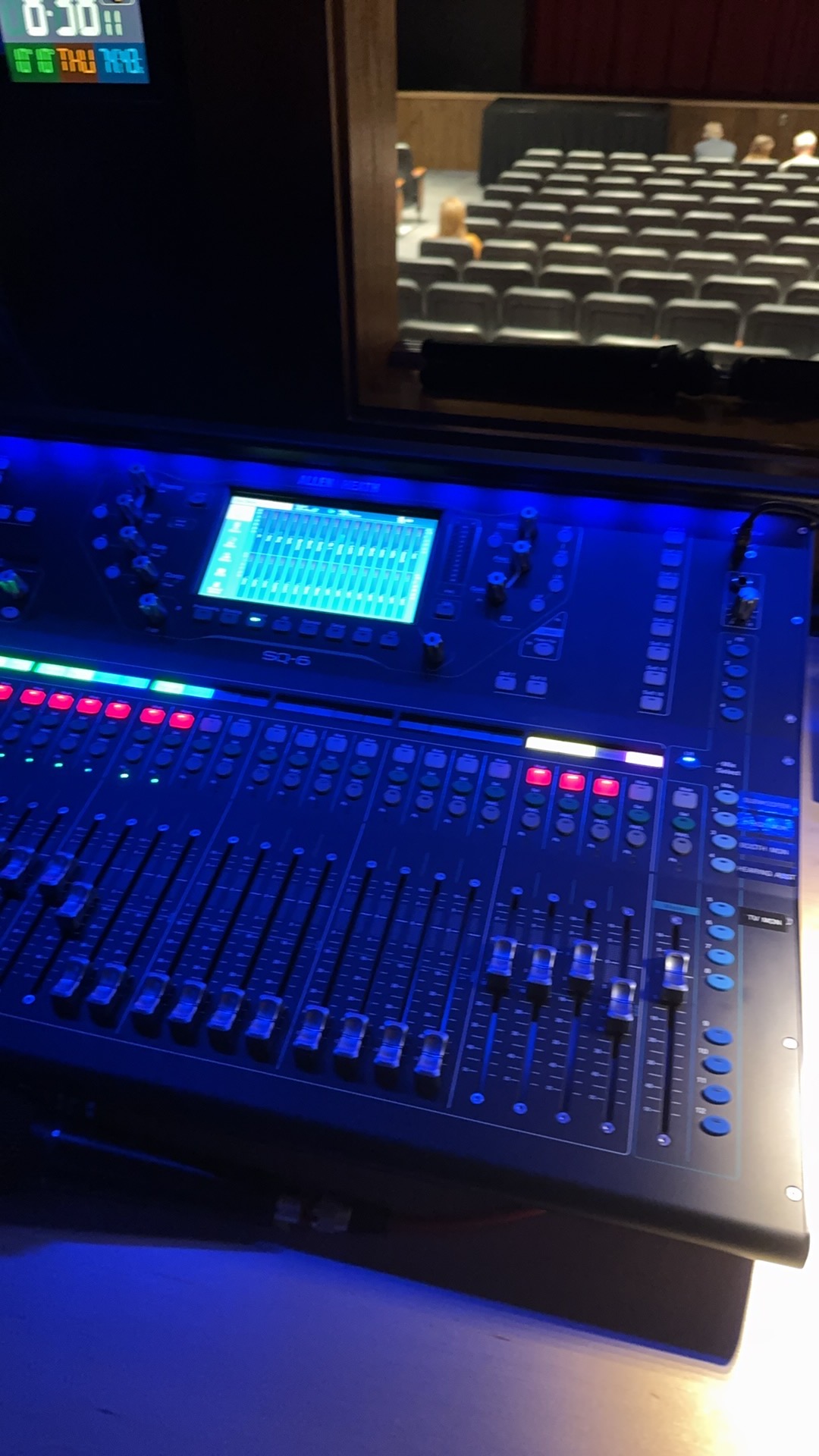
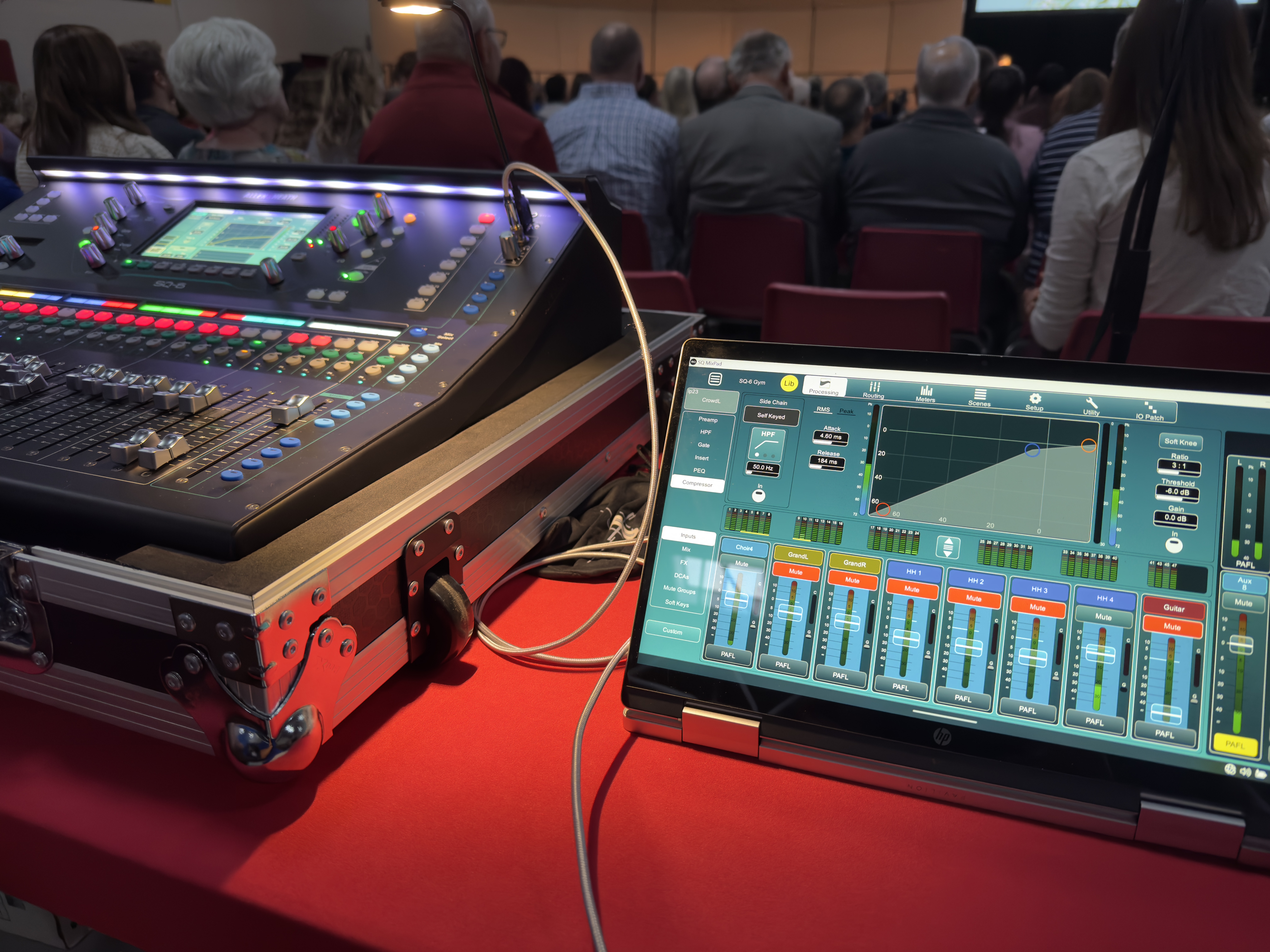
Audio mixing console during school Tech Crew production

Over the last 4 years I've been involved with sound for concerts, chapel services, performances and a host of other school events via Tech Crew. The difference with live sound as opposed to listening at home is that you don't get the opportunity to go back and hear it again. I've done microphone set up, mixing and balancing of sources and have had to constantly be adjusting to what's going on in the room.

Making something louder doesn't necessarily make it any clearer. If a vocal is getting buried then adjusting another channel may be the better solution than simply turning up the vocal. The room acoustics can also have a massive effect on how a mix sounds. I quite like the situation where you have to listen carefully, make decisions quickly and work with the rest of the team.

A lot of the work goes on without the audience even realising it: checking mic levels, balancing the instruments, managing feedback, adjusting to the room etc. That's the way it should be. If everything is working then the performer can concentrate on the performance rather than the gear.

Still Exploring

I don't think every interest has to be a career or a research project. I'd like to continue with my studies in aerodynamics and vehicle design, and music is something I can absolutely enjoy both in front of a soundboard and on my own. I don't see myself getting bored of either.

GET IN TOUCH